As an Amazon Associate I earn from qualifying purchases. This costs you nothing extra and helps us keep Buyiox free.
If your dog’s breath could wilt a flower, you are not alone, and it is not just a smell problem. About 80% of dogs show signs of periodontal disease by three years of age, according to the American Animal Hospital Association (AAHA), and persistent bad breath is often the first warning sign.
The good news is that the single most effective home defense is also the cheapest: brushing. Daily brushing with a dog-safe toothpaste keeps plaque from hardening into tartar, protects the gums, and keeps those kisses bearable. But the toothpaste aisle is full of enzymatic pastes, brushless gels, and natural formulas, and they are not all equal.
Below we break down six real products: what is actually inside them, who each one suits, and where each one falls short. No fluff, no invented claims, just verified facts so you can pick the right tube.
Before we start, one rule that matters more than any pick on this list: never use human toothpaste on a dog. The AKC’s dental care guide warns that human toothpaste can contain xylitol, which is toxic to dogs. Dog toothpaste is made to be swallowed safely, and it comes in flavors your dog will actually tolerate.
Our Top Picks at a Glance
| Pick | Product | Best For | Approx. Price |
| — | — | — | — |
|---|---|---|---|
| 1 | Virbac C.E.T. Enzymatic Toothpaste | Best overall, vet favorite | around $12 |
| 2 | Vetoquinol Enzadent Enzymatic Toothpaste | Runner-up, triple enzymes | around $14 |
| 3 | Petsmile Professional Pet Toothpaste | Only VOHC-accepted, premium | around $30 |
| 4 | TropiClean Fresh Breath Oral Care Gel | Easiest application, brushless | around $13 |
| 5 | Vet’s Best Enzymatic Dog Toothpaste | Natural pick | around $10 |
| 6 | Nylabone Advanced Oral Care Toothpaste | Budget pick | around $9 |
Prices change constantly, so treat these as rough guides and always check the live price before you buy.
1. Virbac C.E.T. Enzymatic Toothpaste – Best Overall
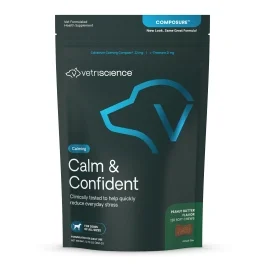
Virbac C.E.T. Enzymatic Toothpaste (poultry flavor shown) – the vet favorite and our best overall pick.
If you ask most veterinarians what they use at home, this is the name that comes up. Virbac C.E.T. is the brand sold through vet clinics, and it earns our best overall spot because it combines a serious enzymatic formula with the flavor range that actually gets dogs to cooperate.
The core of the product is a dual-enzyme system: glucose oxidase and lactoperoxidase. These enzymes work with your dog’s saliva to help break down plaque before it hardens into tartar. The formula contains no foaming agents, so it is safe for your dog to swallow, which is essential because rinsing a dog’s mouth is not really an option.
Flavor choice is where Virbac pulls ahead. It comes in five flavors: poultry, beef, malt, seafood, and vanilla-mint. That matters more than it sounds, because the number one reason brushing routines fail is that the dog hates the taste. The vanilla-mint option is also the smart pick for dogs with poultry allergies.
One practical detail worth knowing: the seafood and beef flavors are formulated for tartar control, per Virbac’s own confirmation. The tube is 2.5 oz (70 g), and the paste has a three-year shelf life from manufacture, with the expiration printed on the tube crimp.
The honest downsides: several owners report the metal tube can ooze or split when first opened, and sorbitol is the first ingredient, which some ingredient-conscious buyers dislike. Still, for the combination of vet trust, enzyme science, and flavor options, nothing else on this list beats it as a first pick.
Pros:
- Dual-enzyme formula (glucose oxidase + lactoperoxidase) with real vet-clinic heritage
- Five flavors including poultry-free vanilla-mint for allergy-prone dogs
- No foaming agents, safe to swallow
- Made in the USA
Cons:
- Metal tube can ooze or split on first opening, per some owner reports
- Sorbitol is the first ingredient, a negative for label readers
- Not the cheapest option per ounce
Best for: Owners who want the vet-office standard and need flavor options to win over a picky dog.
Skip if: You want a fully natural ingredient list or the lowest possible price.
2. Vetoquinol Enzadent Enzymatic Toothpaste – Runner-Up
Vetoquinol Enzadent Enzymatic Toothpaste (poultry flavor, 3.2 oz shown) – triple enzyme formula, our runner-up.
Vetoquinol Enzadent is the quiet achiever of the enzymatic category. While Virbac gets the spotlight, Enzadent actually carries the more ambitious enzyme lineup: a triple enzyme system of glucose oxidase, lactoperoxidase, lactoferrin, and lysozyme. That is four named enzymes working together, where most competitors list two.
Like all proper dog toothpastes, it is non-foaming and safe to swallow, so no rinsing is needed. It cleans and polishes during brushing, and the poultry flavor is designed to make daily brushing something your dog tolerates rather than dreads. It is formulated for both dogs and cats, which is handy in multi-pet homes.
Vetoquinol also makes this easy for beginners. The product is available as a kit with a fingerbrush, which is the gentlest way to introduce a nervous dog to brushing, and a larger kit that adds a dual-ended toothbrush with large and small heads. Starting with a fingerbrush and a few teeth at a time is exactly how behaviorists recommend building the habit.
The trade-offs are minor but real. Poultry is the main flavor, so dogs with chicken allergies are out of luck. And while the enzyme list is impressive, Enzadent does not carry the VOHC acceptance that Petsmile has, so its tartar-control claims rest on the brand’s own testing rather than independent council review.
Pros:
- Triple enzyme system (glucose oxidase, lactoperoxidase, lactoferrin, lysozyme)
- Non-foaming, safe to swallow, no rinsing needed
- Available with fingerbrush and dual-ended brush kits for beginners
- Good value at around $14 for the 3.2 oz tube
Cons:
- Poultry flavor only, not suitable for chicken-allergic dogs
- No VOHC acceptance seal
- Less widely known than Virbac, so fewer long-term owner reviews
Best for: Owners who want maximum enzyme action per brush and like the starter-kit options.
Skip if: Your dog has a poultry allergy or you want the VOHC seal of approval.
3. Petsmile Professional Pet Toothpaste – Best Premium (VOHC Accepted)
Petsmile Professional Pet Toothpaste (rotisserie chicken flavor shown) – the only VOHC-accepted toothpaste on this list.
This is the most scientifically interesting product on the list. Petsmile is the only pet toothpaste accepted by the Veterinary Oral Health Council (VOHC) for plaque control. The VOHC is an independent body that only awards its seal to products with real trial data behind them, so this is not a marketing claim the brand invented for itself.
The secret is a proprietary formula called Calprox. Instead of relying on abrasive scrubbing, Calprox dissolves the protein pellicle, which is the thin sticky biofilm that forms on teeth and gives plaque and bacteria something to cling to. It also remineralizes enamel. In the brand’s clinical testing, removing the pellicle produced a 62% greater plaque reduction and 28% less gingivitis than a control toothpaste.
Because the paste works chemically rather than mechanically, it can simply be applied to the teeth for dogs that will not tolerate a brush, and your pet can eat or drink immediately afterwards. No waiting period. The ingredient list is unusually clean: no silica, parabens, sulfates, BPA, gluten, or animal by-products, and it is a vegan formula made in the USA with human-grade ingredients.
The catch is the price. At around $30 for the 4.2 oz tube, it costs roughly three times the budget options. That is the premium you pay for VOHC acceptance and the Calprox formula. It comes in London Broil (beef) and Rotisserie Chicken flavors.
You can read the full Calprox science on the official Petsmile VOHC page, which walks through how the protein pellicle works.
Pros:
- Only VOHC-accepted pet toothpaste for plaque control
- Calprox formula dissolves the plaque-attracting biofilm and remineralizes enamel
- Works without brushing if needed, no waiting period before eating or drinking
- Clean ingredient list: no silica, parabens, sulfates, BPA, or animal by-products
Cons:
- Premium price, around $30, far above the rest of this list
- Only two flavors available
- The science is strong but the brand is less known than Virbac or Vetoquinol
Best for: Owners who want the single most evidence-backed toothpaste and do not mind paying for it.
Skip if: You are shopping on a budget or your dog does great with a basic enzymatic paste.
4. TropiClean Fresh Breath Oral Care Gel – Easiest Application
TropiClean Fresh Breath Clean Teeth Oral Care Gel – no brushing needed, just apply two drops per side.
Some dogs simply will not accept a toothbrush, and forcing the issue can make dental care a daily battle. TropiClean’s Clean Teeth Oral Care Gel is built for exactly that dog. The packaging says it plainly: “no brushing.”
Application could not be simpler. You cut the tip off the applicator and apply two drops of gel to each side of your dog’s mouth, once a day. Your dog licks their lips, which spreads the gel over the teeth and gums. For best results, withhold food and water for 30 minutes before and after application, and the brand reports visible results in about 30 days of daily use.
The formula is mint-flavored with spearmint and green tea leaf extract, plus zinc chloride. It is free of sulfates, parabens, dyes, artificial flavors, and sorbitol, and it is made in the USA. It suits dogs and cats from 12 weeks of age.
Be realistic about what a no-brush gel can do. Brushing physically removes plaque, and a gel applied by licking cannot match that mechanical action. Think of this as a maintenance product and a bridge: it is far better than nothing, and it can keep a fussy dog’s mouth in better shape between professional cleanings. If your dog tolerates brushing, an enzymatic paste will clean more thoroughly.
Pros:
- Genuinely brushless: two drops per side, daily, no toothbrush required
- Mint and green tea formula freshens breath noticeably
- Free of sulfates, parabens, dyes, artificial flavors, and sorbitol
- Affordable at around $13, made in the USA
Cons:
- Cannot match the mechanical cleaning of actual brushing
- Needs 30 minutes without food or water before and after, which some owners forget
- Results take about a month of consistent daily use
Best for: Dogs that refuse the toothbrush, nervous rescues, and owners who want the simplest possible routine.
Skip if: Your dog accepts brushing, since a brush plus enzymatic paste cleans better.
5. Vet’s Best Enzymatic Dog Toothpaste – Best Natural Pick
Vet’s Best Enzymatic Dog Toothpaste – a vet-formulated natural pick with aloe, neem oil and baking soda.
Vet’s Best was founded by a veterinarian more than 35 years ago, and the whole brand is built on plant-based formulas. If your priority is a toothpaste that reads more like a health-food label than a chemistry set, this is the one.
The ingredient list is short and recognizable: glycerin, aloe, pectin, neem oil, grapefruit seed extract, baking soda (sodium bicarbonate), glucose oxidase (the enzyme), and natural flavors. Aloe soothes the gums, neem oil and grapefruit seed extract bring natural antibacterial qualities, and baking soda gently cleans. There are no foaming agents and no harsh chemicals.
Application is a little different from the daily-brush pastes. The official directions say to apply with a brush or rub it on with your finger 2 to 3 times per week, with no food or water for half an hour before and after. That lighter schedule suits owners who struggle to brush daily but still want a real enzymatic product in the rotation.
Two honest caveats. First, with only one enzyme (glucose oxidase) versus the multi-enzyme formulas above, it is gentler but likely less potent against plaque. Second, this formula is for dogs only: Vet’s Best explicitly says not to use their dog toothpaste on cats, so multi-pet homes need a second product.
Read the full ingredient list and directions on the official Vet’s Best product page.
Pros:
- Vet-formulated with recognizable natural ingredients: aloe, neem oil, baking soda
- Only needs applying 2 to 3 times per week, easier schedule for busy owners
- No foaming agents or harsh chemicals, made in the USA
- Good price at around $10 for a 3.5 oz tube
Cons:
- Single enzyme formula, likely less potent than multi-enzyme competitors
- Dogs only, the brand advises against use on cats
- Natural flavor may not win over the pickiest dogs as reliably as poultry
Best for: Owners who prioritize natural ingredients and a lighter brushing schedule.
Skip if: You want maximum plaque-fighting power or one tube for both dogs and cats.
6. Nylabone Advanced Oral Care Toothpaste – Best Budget Pick
Nylabone Advanced Oral Care Dog Toothpaste (natural peanut flavor shown) – our budget pick with Denta-C formula.
Nylabone has made dog chews since 1955, and its Advanced Oral Care line brings the same practical mindset to toothpaste. At around $9, this is the cheapest way onto this list, and it does not cut the corners you might expect at that price.
The formula is built around Denta-C, Nylabone’s scientifically formulated blend designed to reduce the plaque that harbors bacteria. It freshens breath, fights tartar, and the brand says it may help prevent gingivitis. The flavor is natural peanut, and it is specifically allergen-free peanut flavor, which matters for households managing allergies. It is made in the USA, and unusually for a budget pick, it is okay to use on cats too.
The ingredient list is more conventional than the natural picks: it includes hydrated silica as a mild abrasive, sodium lauryl sulfate, and titanium dioxide. These are standard in many pet toothpastes and considered safe at these levels, but label-conscious buyers will prefer Vet’s Best or Petsmile.
For the money, though, this is a lot of toothpaste. The 2.5 oz (70 g) tube covers the basics: plaque, tartar, breath, and a flavor dogs tend to love. If you are buying your first dog toothpaste and just want to start the habit without overthinking it, start here.
Pros:
- Cheapest on this list at around $9, great first purchase
- Denta-C formula targets plaque that harbors bacteria
- Natural allergen-free peanut flavor most dogs love
- Made in the USA, safe for cats as well as dogs
Cons:
- More conventional ingredient list (silica, SLS, titanium dioxide)
- No enzyme system like the top picks
- Less clinical backing than Virbac, Vetoquinol, or Petsmile
Best for: First-time buyers, tight budgets, and anyone who just wants to start the brushing habit today.
Skip if: You want an enzymatic formula or the cleanest possible ingredient list.
Buying Guide: How to Choose the Right Dog Toothpaste
Enzymatic paste vs no-brush gel vs natural
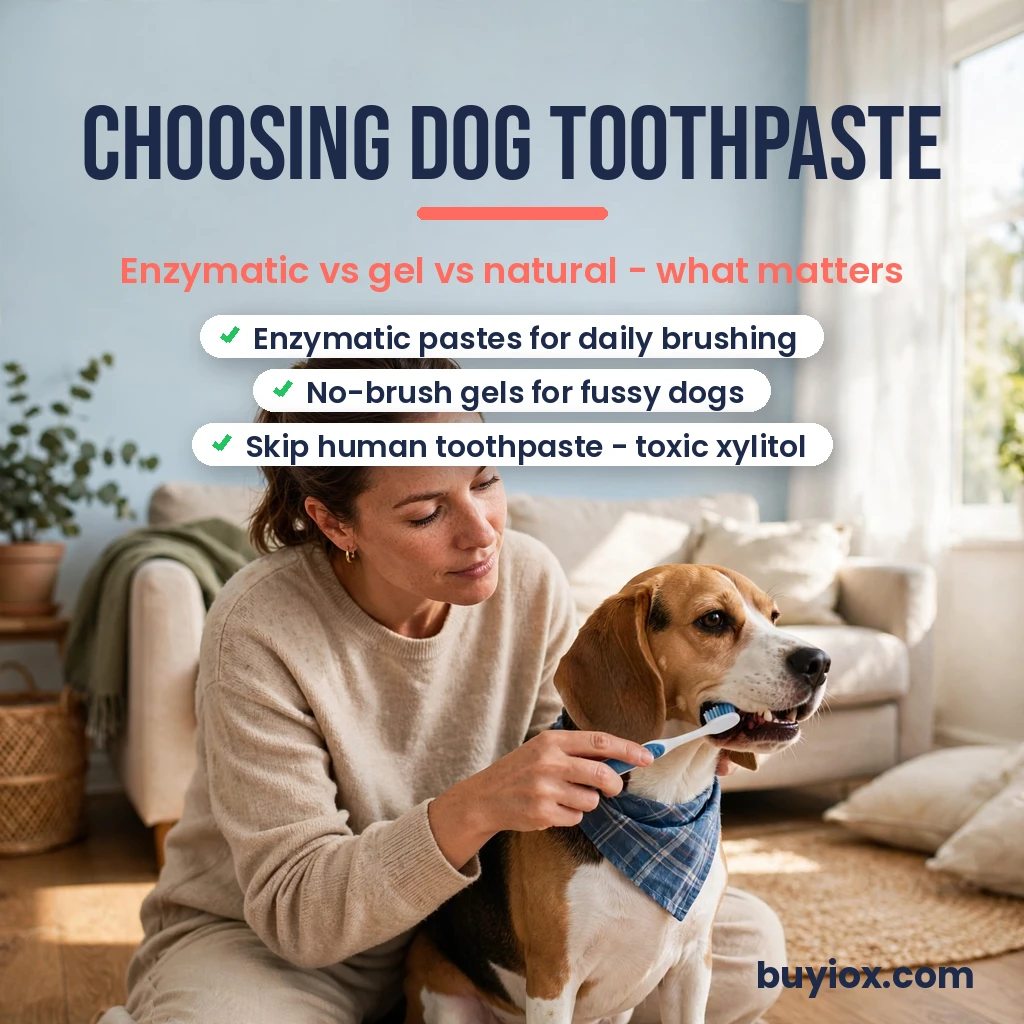
Enzymatic pastes like Virbac and Enzadent are the default choice for dogs that accept brushing. The enzymes keep working with saliva after the brush leaves the mouth. No-brush gels like TropiClean suit dogs that panic at the sight of a toothbrush: less cleaning power, but consistent use beats a perfect routine you never do. Natural formulas like Vet’s Best sit in the middle, best for owners who read every label.
Ingredients that actually matter
Look for enzyme systems (glucose oxidase, lactoperoxidase, and friends), which give you cleaning action beyond the brush stroke. Zinc compounds and green tea help with breath. Mild abrasives like hydrated silica or baking soda help polish. Avoid anything with xylitol, which is toxic to dogs, and skip human toothpaste entirely: fluoride and foaming agents that we spit out are swallowed by dogs.
Flavor acceptance decides everything
A toothpaste only works if your dog lets you use it. Poultry is the most popular flavor across brands for a reason. Peanut butter wins over many picky dogs. Mint suits dogs that already accept brushing. If your dog has a chicken allergy, check the flavor source carefully: Virbac’s vanilla-mint is poultry-free.
How often to brush and how to start
Daily is the ideal, but the AKC notes that brushing a few times per week still makes a real difference, since plaque starts building up after about 48 hours. If your dog is new to brushing, start with a dab of toothpaste on your finger, then a fingerbrush, then a real brush over several days. Short, happy sessions beat long stressful ones, and always end with praise or a treat.
When toothpaste is not enough
No toothpaste fixes advanced dental disease. If your dog has red or bleeding gums, loose teeth, brown tartar buildup, or breath that suddenly gets much worse, book a vet visit: that is beyond what home care can handle. The AAHA’s guide to professional dental cleanings explains why proper cleanings happen under anesthesia and what home care can and cannot do.
Chewing also supports dental health between brushings. Safe chew toys and dental chews give teeth a mechanical workout, and mental enrichment keeps dogs from stress-chewing things they should not. Our best dog enrichment toys and best snuffle mats for dogs roundups have ideas that keep mouths busy in a healthy way.
Frequently Asked Questions
Can I use human toothpaste on my dog?
No. Human toothpaste contains ingredients like xylitol and fluoride that can harm dogs, and it foams, which means your dog cannot spit it out. Dog toothpaste is formulated to be swallowed safely and comes in flavors dogs accept. The AKC specifically warns against sharing your toothpaste with your dog.
How often should I brush my dog’s teeth?
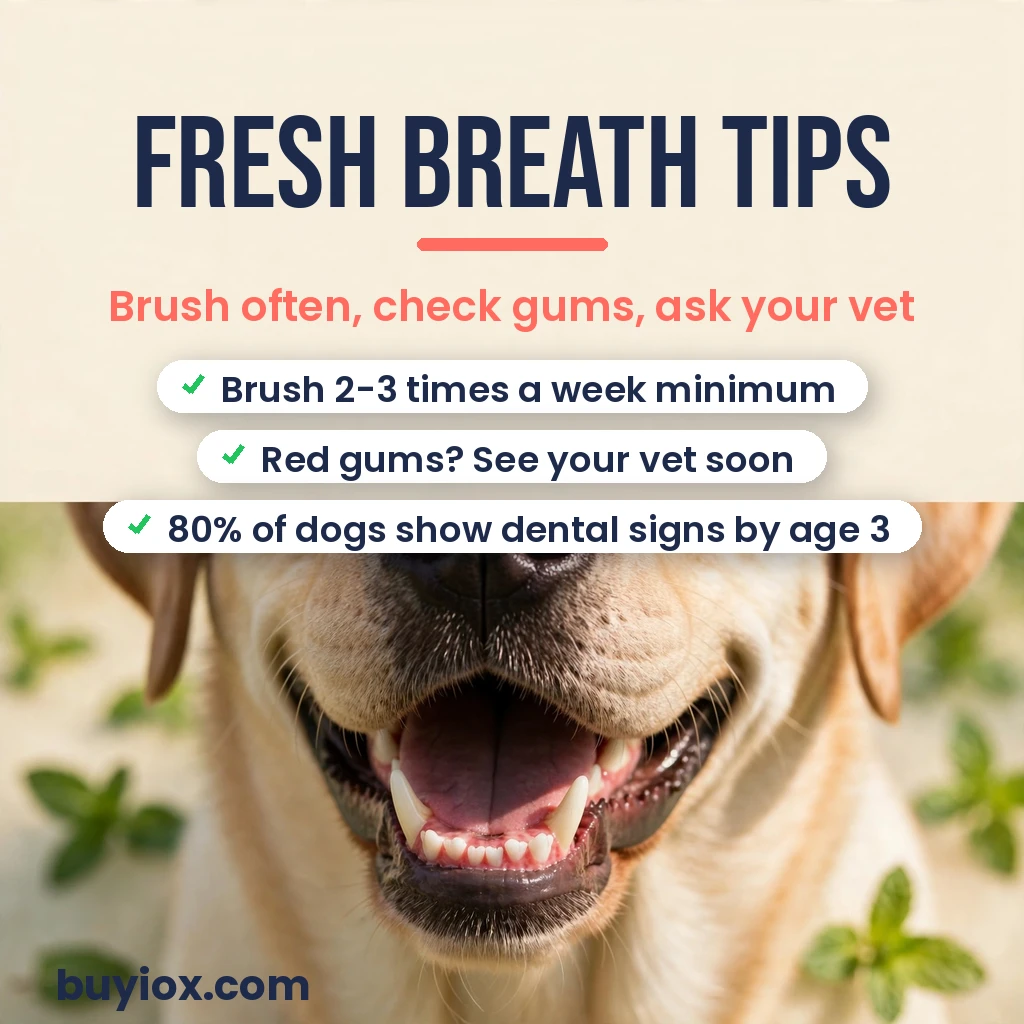
Daily brushing is the gold standard, but brushing a few times per week still makes a meaningful difference because plaque starts hardening after about 48 hours. Consistency matters more than perfection: three calm sessions a week beat one stressful marathon.
Does enzymatic dog toothpaste actually work?
Yes, within realistic limits. The enzymes (glucose oxidase, lactoperoxidase and similar) help break down the plaque biofilm and keep working with saliva after brushing. They do not replace the mechanical action of the brush, which is why even the best enzymatic paste works best paired with actual brushing.
What is VOHC acceptance and does it matter?
The Veterinary Oral Health Council awards its seal only to dental products with genuine trial data showing plaque or tartar control. It matters because most dental claims on pet products are marketing; the VOHC seal is independent verification. Petsmile is currently the only toothpaste on this list carrying it.
My dog will not let me brush. What are my options?
Start with a no-brush gel like TropiClean, applied as drops your dog spreads by licking. Try a fingerbrush, which feels less threatening than a long brush. Smear a little toothpaste on a lick mat or let your dog lick it off your finger first so the taste becomes a reward. If your dog truly panics, talk to your vet about professional cleaning and dental chews as backup.
Can puppies use dog toothpaste?
Yes, and starting young is ideal because puppies that learn brushing early accept it for life. Use a gentle dog toothpaste and a fingerbrush with light pressure on puppy teeth. The TropiClean gel is labeled safe from 12 weeks of age, which makes it a good starter option for young puppies.
Is bad breath in dogs normal?
Mild doggy breath is normal, but truly foul breath is not. Persistent bad breath is often the first sign of periodontal disease, and the AAHA notes that about 80% of dogs show signs of dental disease by age three. If your dog’s breath suddenly worsens, or you see red gums or tartar buildup, see your vet rather than just switching toothpaste.
Our Verdict
If we had to pick one tube, Virbac C.E.T. takes best overall for its vet-clinic heritage, dual-enzyme formula, and five-flavor range that gets real dogs to cooperate. If your budget stretches further, Petsmile is the only pick with independent VOHC acceptance and genuinely different science.
On a tight budget, Nylabone’s Denta-C toothpaste starts the habit for around $9. For dogs that refuse the brush, TropiClean’s no-brush gel keeps some cleaning happening every day. And label readers who want natural ingredients will be happiest with Vet’s Best.
Whichever you choose, the tube matters less than the habit. Brush a few times a week, watch the gums, and let your vet handle anything beyond home care. Your dog’s breath, and their health, will thank you.
Internal links: https://buyiox.com/best-dog-enrichment-toys/ (buying guide – enrichment toys supporting dental health), https://buyiox.com/best-snuffle-mats-for-dogs/ (buying guide – snuffle mats for enrichment)