If your dog has not been drinking normally, it is natural to worry fast. Water problems feel urgent because they are urgent. Dogs can miss a meal more easily than they can miss water, and even a “wait and see” approach can become risky sooner than many owners realize.
The short version is this: a dog may survive for a limited time without water, but that does not mean it is safe. By the time you are asking how long a dog can go without water, the better question is often, “Why is my dog not drinking, and how quickly do I need to act?”
Most dogs should always have access to fresh water. While people often quote 48 to 72 hours as a rough survival window, many dogs can show signs of dehydration much sooner, sometimes within the first 24 hours. Hot weather, vomiting, diarrhea, illness, puppies, seniors, and heavy panting can make the situation more urgent.
So how long can a dog go without water, really?
If we are talking about pure survival, you will often see people mention two to three days. But that can be misleading because survival is not the same as safety. A dog does not need to reach a full 48 or 72 hours for dehydration to become a real problem.
In practical everyday terms, a dog that is drinking far less than normal deserves attention well before you reach that kind of timeline. After the first day without proper drinking, many dogs may already begin showing warning signs such as dry gums, lethargy, weakness, thicker saliva, or reduced skin elasticity. The exact timing varies, but the point is simple: do not treat the outer limit like a normal threshold.
A better mindset is this: if your dog is refusing water, drinking much less than usual, or losing fluids through panting, vomiting, or diarrhea, start taking it seriously early.
What changes the timeline?
Not every dog dehydrates at the same speed. Some situations make the risk rise much faster than owners expect.
- Hot weather: A warm day, poor airflow, or time spent in a hot room or car can raise water loss quickly. Dogs cool themselves mainly through panting, and panting uses water.
- Exercise and activity: A dog that has been running, playing hard, or traveling may need more water than usual, even if the day does not feel extremely hot.
- Vomiting or diarrhea: This is a big one. A dog can lose fluids much faster, which means the “wait and see” window gets shorter.
- Puppies and senior dogs: Very young and older dogs can become vulnerable more quickly, especially if there is already a health issue in the background.
- Illness or fever: Dogs dealing with infection, digestive upset, kidney issues, or other medical problems may not handle low water intake well at all.
- Heavy panting or travel stress: Some dogs lose comfort and moisture during anxious car rides, long trips, or hot travel days. If your dog pants heavily during rides, this guide on why dogs pant in the car can help you spot travel-related stress and heat issues early.
How much water does a dog usually need each day?
A common rule of thumb is around 1 ounce of water per pound of body weight per day. That means a 20-pound dog may need about 20 ounces daily, while a 60-pound dog may need around 60 ounces. But this is only a starting point, not a strict one-size-fits-all rule.
Dogs may need more than that on hot days, after exercise, during travel, or when eating dry food. Some dogs naturally sip throughout the day, while others drink a larger amount after activity. What matters most is knowing your dog’s usual pattern so you notice when something changes.
Early signs your dog may be getting dehydrated
The danger with water problems is that they can creep up quietly. Some dogs do not look dramatic at first. They may simply seem a little “off” before the clearer warning signs appear.
- Dry or tacky gums: Healthy gums should usually feel moist, not sticky or dry.
- Thicker saliva: Drool or saliva may seem stringy or less normal than usual.
- Lethargy: Your dog may look low-energy, slow, sleepy, or less interested in normal activity.
- Sunken-looking eyes: In more concerning cases, the eyes may look less bright or slightly sunken.
- Loss of skin elasticity: If skin does not spring back normally when gently lifted, dehydration may be part of the picture.
- Heavy panting or weakness: This matters even more in warm conditions or during travel. If hot car rides are part of your routine, read what temperature is too hot for dogs in a car so you can spot risky situations sooner.
If your dog is showing several of these signs together, it is time to move faster, not slower.
When it becomes more urgent than “just not drinking much.h”
Some situations deserve same-day veterinary attention, even if the no-water timeline does not seem very long yet. The reason is simple: dehydration risk is not only about time. It is also about what else is going on.
You should take the situation more seriously if your dog is:
- vomiting os diarrhea
- panting heavily and not settling
- acting weak, wobbly, or unusually sleepy
- not keeping water down
- a puppy, senior, or medically fragile dog
- refusing water completely rather than just drinking a bit less
If your dog seems distressed, confused, collapsed, or severely weak, that is not a blog-post problem anymore. That is call-the-vet-now territory.
What to do if your dog is not drinking water
A practical step-by-step plan
If your dog is drinking less than usual or refusing water, here is a calm way to respond.
Step 1: Check the bowl and the obvious basics.
Make sure the water is fresh, clean, and easy to reach. Some dogs drink less if the bowl is dirty, moved, tipped over, or placed somewhere stressful.
Step 2: Think about what changed today.
Has your dog been traveling, panting more, eating less, vomiting, having diarrhea, or acting stressed? A recent change often gives the first clue.
Step 3: Offer water calmly and in a familiar way.
Do not force it. Some dogs prefer a different bowl, cooler water, or a quieter location. If your dog is nervous after a ride, let them settle first and offer water again.
Step 4: Watch for dehydration signs, not just “yes or no” drinking.
A dog that takes one or two licks is not necessarily fine. Watch gums, energy level, panting, and overall behavior.
Step 5: Escalate sooner if other symptoms are present.
If your dog is not drinking and also seems unwell, do not wait for a full day’s timeline. Move faster.
Time estimate
A sensible first response usually takes about 10 to 15 minutes:
- 2 minutes to refresh the bowl and check where it is placed
- 3 to 5 minutes to assess gums, energy, recent activity, and body temperature clues
- 5 minutes to think through any vomiting, diarrhea, travel stress, or heat exposure
- a few more minutes to decide whether to monitor briefly or call your vet
Troubleshooting
- If your dog drank a little, but much less than normal, that still counts. Keep monitoring closely, especially if there are other symptoms.
- If your dog refuses the bowl but seems interested in moisture: This may still mean something is off. Do not assume the problem is solved unless normal drinking returns.
- If your dog just finished a stressful car ride: Let them settle, cool down, and offer water again. Travel, heat, and stress can affect thirst. This post on stopping dog barking in the car may also help if your dog gets worked up during rides and arrives home over-aroused or thirsty.
- If your dog keeps refusing water, do not keep stretching the timeline. A continuing refusal matters more than one missed drink.
What not to do
When owners get worried, they sometimes make the situation messier by trying too many random fixes at once. A few mistakes are especially common.
- Do not use survival time as a “safe” guide. Two to three days is not a normal waiting period. It is an outer emergency-type discussion, not a comfort zone.
- Do not restrict water on purpose. Water should not be withheld to reduce accidents, crate mess, or bathroom breaks unless your veterinarian has given a very specific reason.
- Do not assume a dog is fine because it is still walking around. Dogs can still move and function while dehydration is starting.
- Do not focus only on the bowl. If your dog is losing fluids through heat, panting, vomiting, or diarrhea, the bigger picture matters more than whether they took a few sips.
Common mistakes
1) Treating “not drinking much” like “not drinking at all” is the only thing that matters
A dog does not need to stop 100% before there is a problem. A noticeable drop from normal can already matter, especially in warm weather or illness.
2) Waiting too long because the dog ate normally
Eating does not cancel out a water problem. Food and hydration are not interchangeable, and water becomes the more urgent issue faster.
3) Forgetting how much panting changes things
Dogs lose moisture when they pant. A dog that is stressed, hot, or anxious may need water sooner than owners think.
4) Not planning for hydration during travel
Longer rides, warm cars, delayed stops, and an excited dog can all make dehydration more likely. If road trips are part of your routine, a stable travel setup and easy water access matter.
5) Assuming “they will drink when thirsty enough.”
Sometimes they will. But illness, pain, nausea, stress, or heat-related problems can interfere with that normal response.
Product help
This is not a “buy one product and fix everything” issue. If your dog is not drinking because of illness, dehydration risk, or overheating, the real need is proper assessment and, in some cases, veterinary care.
That said, some products do make hydration easier in everyday life, especially for travel dogs or dogs who get worked up on the move.
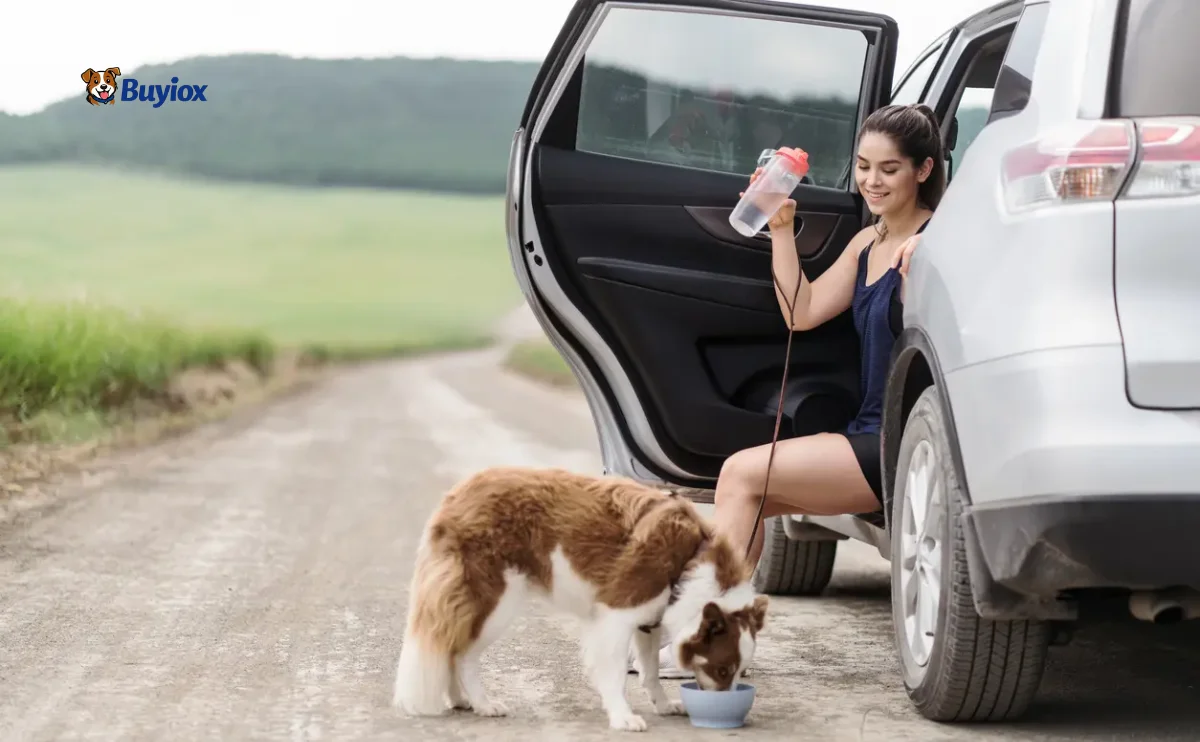
- Portable dog water bottles: Helpful for walks, warm-weather outings, and longer drives when a normal bowl is awkward.
- Stable back-seat setups: Dogs that slip, pace, bark, or panic may pant more and settle less. A calmer setup can make it easier to offer water during breaks.
- Easy-clean travel protection: If your dog drools, sheds, or gets messy on the road, a cleaner car setup makes hydration stops less stressful overall.
Buying mistake to avoid:
Do not assume a travel bottle or seat setup solves a medical hydration problem. These tools are for convenience and comfort. They do not replace veterinary care when a dog is weak, vomiting, overheated, or refusing water.
If travel comfort is part of the bigger issue, this guide on seat cover vs hammock vs back seat extender can help you create a calmer ride setup that is easier to manage on longer trips.
When should you call the vet?
You should call sooner rather than later if your dog:
- has gone much of the day with little or no interest in water
- shows dry gums, weakness, or unusual tiredness
- has vomiting or diarrhea
- seems overheated or pants heavily without settling
- cannot keep water down
- is a puppy, a senior, or has another health condition
A good rule is this: if your dog is not drinking and something else also seems wrong, do not wait for a dramatic crisis before acting.
Final thoughts
If you have been asking how long a dog can go without water, the safest answer is not to aim for a number. Yes, people often mention 48 to 72 hours as a rough survival range, but dehydration trouble can start much earlier, and many dogs become risky cases well before that point.
The practical answer is better: dogs should have regular access to fresh water, and a dog who is drinking much less than normal deserves your attention early. Look at the whole picture, not just the bowl. Heat, panting, illness, travel stress, vomiting, and diarrhea all make the timeline shorter and the risk bigger.
-
Can a dog go 12 hours without water?
Some dogs may go 12 hours without obvious severe signs, but that does not mean it is ideal or safe to plan for. Hot weather, illness, panting, vomiting, diarrhea, puppies, and senior dogs can make even shorter periods more concerning.
-
Is it okay for a dog not to drink water overnight?
Many dogs sleep for part of the night without drinking, but they should still have access to fresh water. If your dog refuses water beyond their normal routine or seems unwell, pay closer attention.
-
How long before a dog gets dehydrated without water?
Some dogs can begin showing dehydration signs within about 24 hours, and sometimes sooner if heat, illness, vomiting, diarrhea, or heavy panting is involved.
-
What are the first signs of dehydration in dogs?
Early signs can include dry or sticky gums, thicker saliva, lethargy, reduced energy, heavy panting, and skin that does not spring back normally.
-
Can dogs survive 3 days without water?
People often mention up to 72 hours as a rough survival limit, but that is not a safe goal. A dog may become dangerously dehydrated much earlier, and some situations turn urgent long before three days.
-
How much water should a dog drink each day?
A common starting guideline is around 1 ounce of water per pound of body weight each day, although weather, diet, exercise, illness, and activity level can change that amount.
-
When should I worry if my dog is not drinking water?
You should worry sooner if your dog also has vomiting, diarrhea, weakness, dry gums, heavy panting, overheating, or any sign that they are not acting normally.
-
Why would a dog stop drinking water?
Possible reasons include stress, nausea, pain, fever, digestive upset, travel discomfort, overheating, illness, or changes in environment. A lasting change in water intake is worth paying attention to.
-
Can I withhold water from my dog to prevent accidents?
No, not unless your veterinarian has given a specific reason. Restricting water can raise dehydration risk and is not a safe general solution for house-training or crate problems.
-
What should I do if my dog will not drink water?
Offer fresh water, check for heat or illness clues, watch gums and energy level, and contact your vet sooner if your dog keeps refusing water or has other concerning symptoms.