If your dog keeps shaking his head, the most likely reason is that something is irritating, itching, or hurting the ear. Sometimes it is as simple as water in the ear after a bath. But if the shaking keeps happening, there is usually a real reason behind it, and ear problems are one of the most common.
The tricky part is that head shaking is only a symptom, not a diagnosis. Ear infections, ear mites, allergies, foreign objects, and even injuries can all make a dog shake his head over and over. That is why the better question is not just “why is he shaking?” but “what else is happening with the ears?”
Dogs usually keep shaking their head because something is bothering the ear. Common causes include ear infection, ear mites, allergies, trapped debris, moisture, or pain. If your dog also has odor, redness, discharge, scratching, swelling, or seems painful, a vet visit is a smart next step.
The most common reason: ear infection or ear inflammation
For many dogs, frequent head shaking points to otitis externa, which means inflammation of the outer ear canal. This is a very common problem in dogs, and veterinary references list head shaking as one of the classic signs. Other common signs include odor, redness, swelling, discharge, itching, and pain.
This is one reason head shaking should not be brushed off as “just a weird habit.” If the ear is inflamed, your dog may be trying to relieve discomfort. Some dogs also scratch the ear, rub their head on the floor, or cry out when the area is touched.
Other common causes of head shaking in dogs
Ear mites
Ear mites are a well-known cause of head shaking, especially when the ears are also itchy and produce dark, waxy, crusty, or coffee-ground-like debris. Dogs with ear mites may also have red ears, odor, or hair loss from scratching.
Allergies
Allergies can also trigger chronic ear trouble. In some dogs, the ear problem is not the entire issue but part of a larger allergy pattern that may also include itchy skin, licking paws, or repeated skin irritation. If a dog keeps having ear flare-ups, allergies often move higher on the list of possibilities.
Something is stuck in the ear.
A piece of grass, plant material, or another foreign object can make a dog suddenly shake his head hard and repeatedly. This kind of shaking can start abruptly, and the dog may act much more distressed on one side. Foreign material is a classic reason one ear suddenly becomes the focus.
Water in the ear
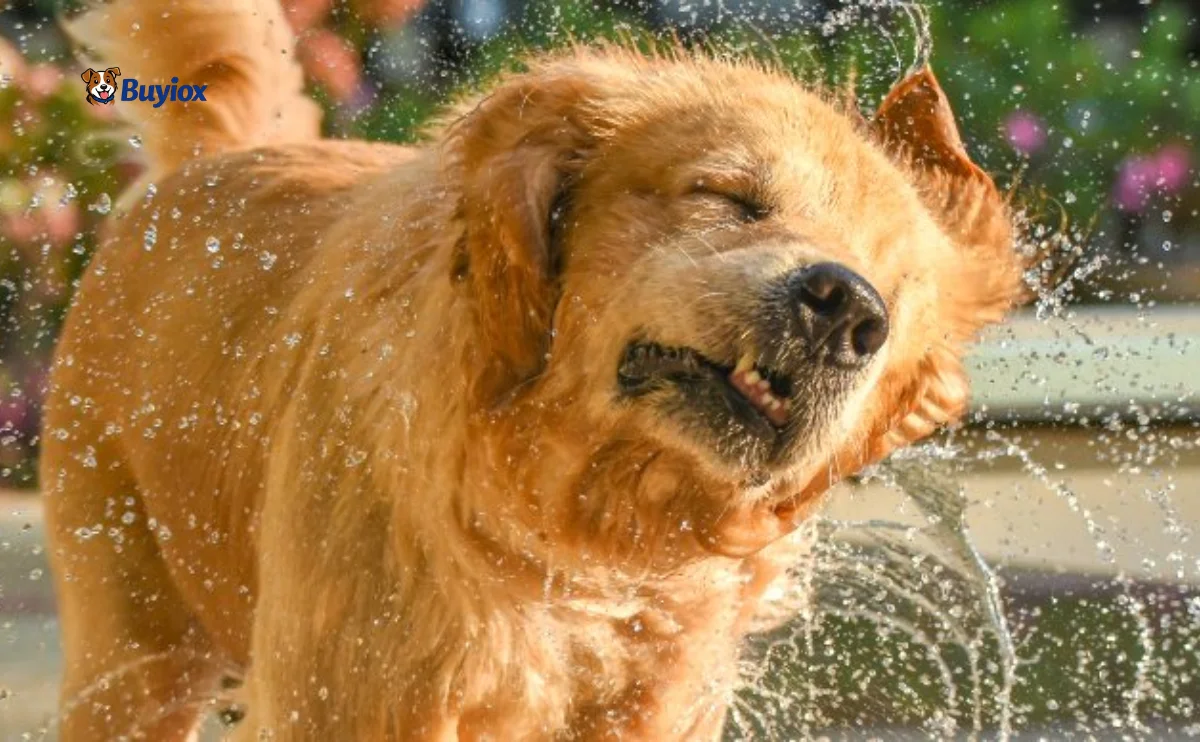
Some dogs start shaking after a bath or swim because moisture is trapped in the ear canal. If the shaking settles quickly, that may be all it was. But if it keeps going, moisture may have triggered irritation or set the stage for infection, especially in dogs already prone to ear problems. This is one reason many owners notice head shaking after grooming or swimming.
Injury or trauma
If the ear has been scratched, bitten, hit, or otherwise irritated, that can lead to head shaking,g too. And once a dog starts shaking hard, the ear flap itself can become injured from the force. VCA explains that excessive or violent head shaking can rupture blood vessels in the ear flap and lead to an aural hematoma, which is a painful swelling filled with blood.
Less common but important causes
Some dogs have deeper ear disease, including middle or inner ear involvement. Merck notes that head shaking can also appear with otitis media or interna, and these cases may involve more pain and more serious symptoms. Persistent smelly discharge and chronic ear inflammation can also sometimes be linked with masses or tumors in the ear canal.
What else should you look for?
Head shaking becomes easier to understand when you look for the other clues around it. These signs help you tell whether you are likely dealing with a simple one-off irritation or something more meaningful.
- Scratching at the ear: This often points toward itch, irritation, mites, or infection.
- Bad smell from the ear: Odor is strongly associated with ear infection or significant inflammation.
- Dark, brown, black, or crusty debris: This can happen with infection or mites and is a major clue that the ear needs attention.
- Redness or swelling: Inflamed ear canals often look visibly angry and may be painful to touch.
- Head tilt: This can happen with more serious ear involvement and should not be ignored.
- One swollen ear flap: This may suggest an aural hematoma from vigorous shaking or scratching.
When head shaking is more urgent.nt
Not every head shake is an emergency, but some patterns deserve faster action. If your dog suddenly starts shaking hard and will not settle, especially if one ear seems much worse, think about a foreign object, painful infection, or injury. If the ear flap swells up like a soft balloon or blood blister, that can point to an aural hematoma.
You should move faster if your dog:
- cries or yelps when the ear is touched
- has a severe odor or heavy discharge
- has one swollen ear flap
- has a head tilt, balance trouble, or seems disoriented
- keeps shaking hard and nonstop
Those signs raise the chance that the problem is painful, worsening, or deeper than a little surface irritation.
Step-by-step: what to do right now
If your dog keeps shaking his head, this is the most practical way to respond.
Step 1: Watch which ear seems involved.
See whether it looks one-sided or more general. A sudden one-sided problem can sometimes point toward a foreign object or more localized pain.
Step 2: Look, but do not dig.
You can gently lift the ear flap and look for redness, discharge, swelling, or obvious debris. Do not push cotton swabs or tools down into the ear canal.
Step 3: Notice the supporting symptoms.
Is there an odor? Scratching? Dark wax? Pain? Swelling? These details help a lot.
Step 4: Avoid random ear cleaners or leftover drops.
If the eardrum is damaged or the cause is not what you think, random treatment can make things worse. Veterinary diagnosis matters because treatment depends on the real cause.
Step 5: Call your vet if the shaking is frequent, painful, or comes with discharge, odor, or swelling.
Repeated head shaking is usually not something to ignore for long.
Time estimate
A useful first check usually takes 5 to 10 minutes: observe the behavior, look at the outside of the ear, note any odor or discharge, and decide whether it is already at the point of needing veterinary care.
Troubleshooting
- If your dog only shook once after a bath, that may just be water or a normal shake-off response. Watch for whether it keeps happening.
- If your dog keeps shaking and scratching: Ear infection, mites, or allergy-related irritation moves higher on the list.
- If the ear suddenly swells up: Think aural hematoma and get the ear checked.
- If your dog also seems unsteady or holds its head tilted: Treat that as a stronger reason to contact your vet promptly.
Questions owners usually search right after this one
When USA dog owners search “why does my dog keep shaking his head,” they are usually also searching these follow-up questions:
- Is it an ear infection?
- Could it be ear mites?
- What if there is no smell?
- Can allergies make dogs shake their heads?
- Why is one ear bothering him?
- When is head shaking an emergency?
The most useful answer across all of those is this: repeated head shaking usually means the ear is irritated, but the exact reason needs context. Smell and discharge suggest infection more strongly, dark crusty debris may point toward mites, and sudden severe one-sided pain raises concern for a foreign body or injury.
Common mistakes
Ignoring it for too long
Repeated head shaking usually means something is wrong, not just a quirky habit. Waiting can turn a small ear problem into a more painful one.
Using leftover eye drops
Not every ear problem is the same, and treatment depends on the cause. Old drops may not match the current issue.
Cleaning too aggressively
Owners sometimes try to scrub the ear hard at home. That can irritate a painful ear more and make handling harder.
Missing the hematoma risk
Hard repetitive shaking can cause an aural hematoma, which is painful and often needs treatment.
Assuming it must be mites
Ear mites are one possible cause, but infections, allergies, and foreign material are often more common, depending on the dog and the history.
Product help
This is not a “buy something random and fix it” problem. If your dog keeps shaking his head, the most helpful thing is figuring out the real cause. That said, a few practical items can make life easier while you deal with ear discomfort the right way.
- Washable bedding or blankets: Helpful if your dog is rubbing its head or ears against surfaces a lot.
- Easy-clean soft surfaces: Useful if ear discharge or scratching is making a mess around the house.
- Calmer travel setup: If you need a vet trip and your dog is already uncomfortable, a stable ride helps. You can browse the Buyiox shop for practical dog travel and cleanup tools.
Buying mistake to avoid:
Do not assume any ear cleaner or home remedy is automatically right just because the symptom is “head shaking.” The underlying cause matters too much for that.
Final thoughts
If your dog keeps shaking his head, the simplest answer is that something is probably bothering the ear. Ear infections and inflammation are among the most common reasons, but mites, allergies, trapped debris, moisture, and injuries can also be behind them.
Look for the clues that come with it: scratching, smell, redness, discharge, pain, swelling, or a head tilt. Those extra signs make it much easier to tell whether you are looking at a mild irritation or a problem that should be checked soon. And if the shaking is intense, painful, or the ear flap suddenly swells, do not wait too long to get help.
-
Why does my dog keep shaking his head but has no smell?
Even without odor, your dog may still have irritation, early ear inflammation, allergies, water in the ear, or something stuck in the canal. Smell helps point toward infection, but no smell does not mean nothing is wrong.
-
Is head shaking in dogs a sign of an ear infection?
Yes, very often. Ear infection or ear inflammation is one of the most common reasons dogs shake their heads repeatedly.
-
Can ear mites make a dog shake his head?
Yes. Ear mites commonly cause head shaking, itching, red ears, and dark, waxy, or crusty discharge.
-
Why is my dog shaking his head and scratching his ear?
That combination strongly suggests ear irritation. Infection, mites, allergies, and inflammation are all common possibilities.
-
Can allergies make my dog shake his head?
Yes. Allergies can contribute to chronic ear irritation and recurring ear problems in dogs, which can lead to repeated head shaking.
-
What if my dog suddenly started shaking one ear?
A sudden one-sided problem can happen with a foreign object, painful irritation, injury, or an acute ear issue. If the shaking is intense or painful, it is worth a vet check.
-
Can head shaking cause an ear hematoma?
Yes. Excessive or violent head shaking can rupture blood vessels in the ear flap and cause an aural hematoma.
-
When should I take my dog to the vet for head shaking?
You should go sooner if there is discharge, odor, pain, swelling, head tilt, repeated scratching, or nonstop shaking.
-
Can water in the ear make a dog shake his head?
Yes, especially after a bath or swim. But if the shaking keeps happening, irritation or infection may be developing.
-
Should I clean my dog’s ear if he keeps shaking his head?
You can gently look at the outer ear, but avoid aggressive cleaning or random drops unless you know the cause. Repeated head shaking often needs a proper diagnosis because treatment depends on what is irritating the ear.