
Skin problems in dogs can be confusing because many of them look alike at first. A small bald patch, some flaky skin, or a round red spot can make you wonder if it is ringworm, allergies, mange, or just a scratch that will go away.
That is exactly why this topic matters. Ringworm in dogs often appears simple at first, but it is a fungal infection that can spread to other pets and people. It also gets mixed up with other skin problems all the time, so the safest approach is to know what it usually looks like and what steps to take next.
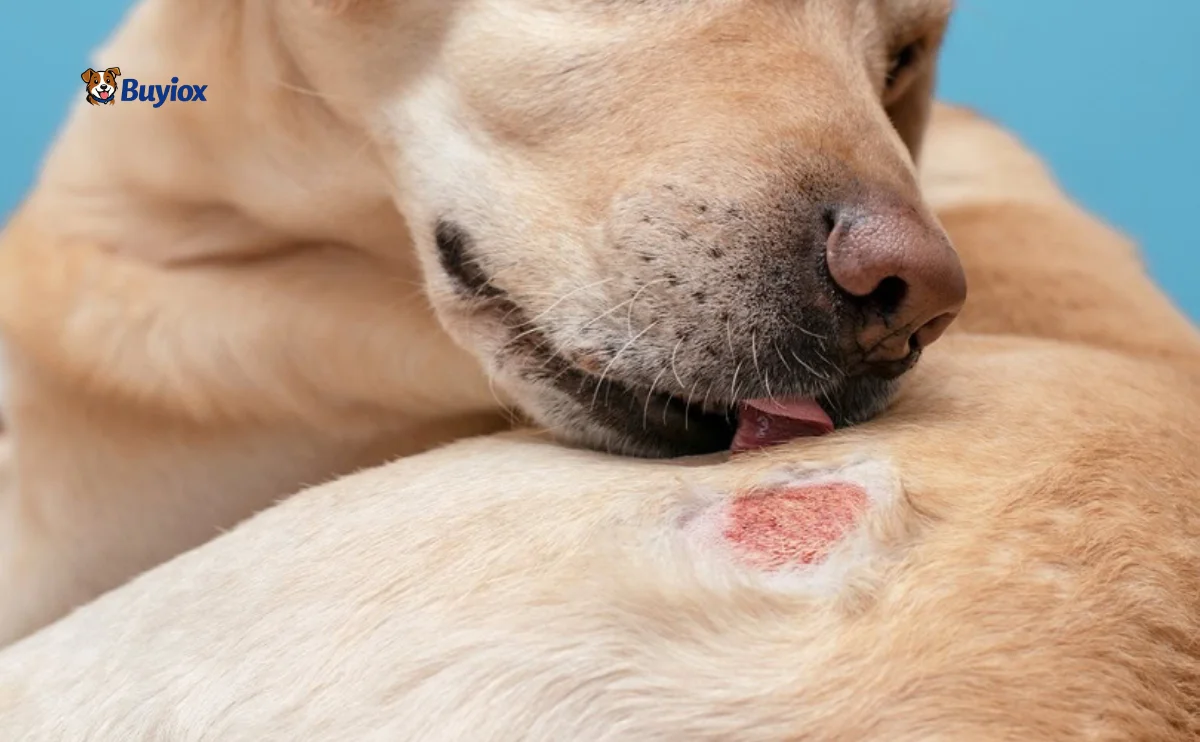
Ringworm on a dog often looks like one or more round or patchy areas of hair loss with scaly, crusty, or red skin. In some dogs, it appears as a grey, flaky patch, while in others it looks more like a red circular lesion with broken hairs. It can show up on the face, ears, feet, or tail, but it does not always make a perfect ring.
What ringworm usually looks like in real life
The classic picture many people imagine is a neat red ring. In real dogs, it is often less tidy than that. Some dogs get a circular bald patch with a rough edge. Others get scaly, crusty spots that look more like dry skin than a ring. Broken hairs are common, too, so the coat may look thin, stubby, or chewed off in one area.
You may notice one small patch first, especially on the face, ear tips, feet, or tail. In some dogs, the skin underneath looks pink or red. In others, it looks grey and flaky. Mild itchiness can happen, but not every dog is very itchy, which is one reason owners sometimes miss it early.
A simple way to picture it is this: if your dog has a patch of hair loss that looks scaly, crusty, or strangely round, ringworm should at least be on your list of possibilities. It is not the only possibility, but it is one worth checking because it can spread.
Common signs that make ringworm more likely
Before jumping to conclusions, it helps to know the pattern vets often look for. These signs do not prove ringworm by themselves, but they do make it more suspicious:
- Round or uneven patches of hair loss: Hair may fall out in one spot or look broken off close to the skin, leaving a thin, rough-looking patch. This is one of the most common visual clues.
- Scaly, crusty, or flaky skin: The area can look dusty, grey, or dandruff-like rather than wet or oozing. Some owners mistake this for simple dry skin.
- Redness or a ring-like border: Some dogs do get the more classic ring-shaped look, but many do not. That is why shape alone should not decide it.
- Lesions on the face, ears, feet, or tail: These are common places for suspicious patches to appear, especially when the infection is still fairly localized.
- More than one suspicious patch: Ringworm can begin with one lesion and then show up in multiple places if fungal spores spread.
Why ringworm is so easy to confuse with other skin problems
This is the part many dog owners do not realize: ringworm is not the only thing that causes round hair loss. Other skin conditions can resemble it, including bacterial skin infections, allergies, and some forms of mange.
For example, localized demodectic mange can also cause small hairless, red, scaly patches. Some bacterial skin infections can create circular areas with crusty edges, too. So if you are staring at a bald patch and thinking, “This must be ringworm,” that guess may be right, but it is still only a guess until your vet checks it properly.
That is why this guide is best used as a spotting guide, not a home diagnosis shortcut.
Ringworm vs. things people commonly mistake it for
Ringworm vs. dry skin
Dry skin usually looks more spread out and less sharply patchy. Ringworm often creates a more obvious problem spot where the hair is missing or broken,n and the skin looks rough in a defined area.
Ringworm vs. mange
Some types of mange can also cause hair loss and scaly skin. One key difference is that mange may cause different itch patterns or appear in different body areas, but visually, ly they can overlap enough that home guessing is risky.
Ringworm vs. allergies
Allergies often come with more widespread itching, licking, paw chewing, or repeated irritation. Ringworm can itch, but sometimes it is surprisingly mild and more noticeable for how it looks than how much the dog scratches.
Ringworm vs. a bacterial skin infection
Some bacterial lesions can look circular, red, and crusty, too. That overlap is another reason vets often use testing instead of appearance alone.
What to do next if your dog has a suspicious patch
A simple check-now plan
If you think your dog may have ringworm, do this in order:
1) Take a close look without picking at it.
Notice the size, shape, color, and whether the hair is broken off. Try not to scrub, squeeze, or peel crusts, because that can irritate the skin and spread debris.
2) Limit close contact until you know more.
Ringworm can spread from pets to people. That does not mean panic, but it does mean sensible caution, especially with children, older adults, or anyone with a weaker immune system.
3) Wash your hands after handling your dog.
Simple hygiene matters here. Clean hands, avoid sharing pet bedding with people, and do not let your dog rub all over sofas, beds, or soft furnishings until the lesion is checked.
4) Book a vet visit rather than trying to eyeball diagnose it.
A suspicious patch can look like ringworm and still turn out to be something else. A proper diagnosis matters because treatment can differ depending on the cause.
5) Clean smartly, not aggressively.
You do not need to panic-clean the whole house on day one, but it is sensible to wash bedding, wipe surfaces your dog uses often, and keep the area tidy while you wait for a diagnosis. If your dog sheds heavily as well, this guide on the best pet hair remover for couch cleanup can help you manage fur and fabric surfaces more easily.
Time estimate
A basic same-day response usually takes 10 to 20 minutes:
- 2 to 3 minutes to inspect the spot calmly and take a clear photo in good light.
- 5 minutes to separate washable blankets, covers, or bedding your dog uses often.
- 5 to 10 minutes for handwashing, a quick cleanup, and booking a vet appointment.
Troubleshooting: What if I am not sure?
- If the patch is small but odd-looking: Take a clear photo today, then compare it again in 24 to 48 hours. Quick change or spread is worth attention.
- If your dog keeps getting new bald spots: Move faster on the vet visit, because multiple skin issues can spread or worsen.
- If your dog seems otherwise normal, still get it checked. Ringworm can look mild at first, but still be contagious.
- If the area is badly inflamed, swollen, draining, or your dog seems unwell: Do not wait and watch for long. That can point to a different or more urgent skin problem.
How vets usually confirm whether it is really ringworm
This part matters because appearance alone can fool you. Vets may use a few different methods to check whether a suspicious patch is actually ringworm.
- Wood’s lamp exam: Some infected hairs may glow under this special ultraviolet light, but not all ringworm cases do, so a negative result does not rule it out.
- Microscopic examination: A vet may examine hairs or skin debris directly to look for fungal elements.
- Fungal culture: This is often one of the strongest ways to confirm ringworm.
So if your vet says, “This looks suspicious, but I want to test it,” that is usually a smart step, not an unnecessary one.
Is ringworm on dogs contagious?
Yes, ringworm can spread between animals and from pets to people because it is a fungal infection of the skin, hair, or nails. That does not mean every quick touch leads to infection, but it does mean you should be careful with shared bedding, brushes, blankets, and soft surfaces.
If your dog rides in the car often, it is also sensible to clean surfaces your dog touches regularly. For practical cleanup help, you can read how to get dog hair out of your car or compare tools in this guide on the best pet hair removers for car seats.
If your dog is a regular travel companion and you want to reduce mess on future rides, this comparison of dog seat cover vs hammock vs back seat extender can help you choose a setup that is easier to keep clean.
Common mistakes
1) Waiting because the patch is too small to matter
Ringworm can start small. A tiny flaky spot is easy to ignore, especially if your dog is acting normal. Small does not always mean harmless.
2) Assuming every round bald spot is ringworm
This mistake goes the other way. Mange, bacterial infections, and other skin issues can look similar. Guessing too confidently can delay proper treatment.
3) Using random home remedies first
Putting harsh creams, strong oils, or human products on a suspicious lesion without guidance can irritate the skin and muddy the picture before the vet sees it.
4) Forgetting the people side of the problem
Because ringworm can spread to humans, it is smart to think beyond the dog. Wash hands, clean bedding, and be extra careful if someone in the home is vulnerable.
5) Focusing only on the skin patch and not the environment
Spores can linger on things your dog uses often. Good hygiene and routine cleaning help reduce the risk of repeated exposure while your dog is being treated.
Product help
This is not a buy-something-and-fix-it problem. Your dog needs the right diagnosis first. But a few practical items can still make life easier while you manage the situation.
Look for easy-to-wash bedding, removable seat covers, washable blankets, and cleanup tools that help you deal with hair, skin flakes, and fabric surfaces more easily. The goal is not to replace treatment. The goal is to make hygiene simpler while your vet handles the medical side.
What matters most:
- Washable materials: Easier to clean regularly while the skin issue is being treated.
- Simple cleanup tools: Helpful for removing fur and flakes from couches, floors, and car interiors.
- No overcomplicated setup: If something is annoying to clean, people stop using it.
Buying mistake to avoid:
Do not assume a grooming brush, shampoo, or random skin product will diagnose or cure ringworm by itself. Products can support hygiene, but they are not a substitute for veterinary confirmation and treatment.
When you should call the vet sooner rather than later
It is smart to move more quickly if:
- The patch is spreading fast
- Your dog has several lesions
- The skin looks very inflamed or infected
- the face, feet, or nails seem involved
- Another pet or a person in the home is developing suspicious skin spots
- Your dog is a puppy, elderly, or already dealing with other health issues
Extra caution makes sense with young, elderly, or more vulnerable pets because skin problems can be easier to miss, spread, or complicate.
Final thoughts
If you have been wondering what ringworm looks like on a dog, the best simple answer is this: think round or patchy hair loss, flaky or crusty skin, broken hairs, and sometimes redness. But also remember that ringworm is a look-alike problem. It can resemble other skin conditions, so the smartest move is not to guess harder. It is getting the spot checked properly and keeping your dog’s environment as clean and manageable as possible in the meantime.
If you want more practical dog-care and cleanup tips for everyday life with pets, you can explore the Buyiox blog for more helpful guides.
-
What are the first signs of ringworm in dogs?
Early signs often include a small patch of hair loss, flaky or crusty skin, broken hairs, or a round-looking sore. It may begin on the face, ears, feet, or tail and can be mild at first.
-
How can I tell if my dog has ringworm or just dry skin?
Dry skin is often more general, while ringworm usually creates a more defined patch with hair loss, broken hairs, scaling, or redness. Because other skin problems can look similar, a vet exam is the safest way to tell.
-
Does ringworm always look like a ring on dogs?
No. Some dogs get a ring-like lesion, but many do not. Ringworm may also look like a grey, scaly patch, a crusty bald spot, or a red area with broken hairs.
-
Where does ringworm usually appear on a dog?
Common places include the face, ear tips, feet, and tail. It can appear elsewhere too, especially if spores spread through grooming, contact, or the environment.
-
Is ringworm on dogs itchy?
It can be itchy, but not always. Some dogs scratch a little, while others mainly show hair loss and scaling without obvious discomfort.
-
Can ringworm in dogs spread to humans?
Yes. Ringworm is a fungal infection that can spread from pets to people, which is why handwashing, bedding cleanup, and early vet care matter.
-
What skin conditions look like ringworm in dogs?
Mange, bacterial skin infections, allergies, and some other causes of hair loss can look very similar. A suspicious patch should not be diagnosed by appearance alone.
-
Should I take my dog to the vet for suspected ringworm?
Yes. Because ringworm can mimic other skin issues and can spread to other pets or people, a vet visit is the safest next step.
-
How do vets confirm ringworm in dogs?
Vets may use a Wood’s lamp exam, microscopic examination of hairs or skin debris, and fungal culture. Culture is often used for stronger confirmation.
-
Can I treat ringworm in dogs at home without a vet?
It is better not to rely on home guessing alone. Because ringworm can be mistaken for other problems and may spread, veterinary guidance is the safer route.