
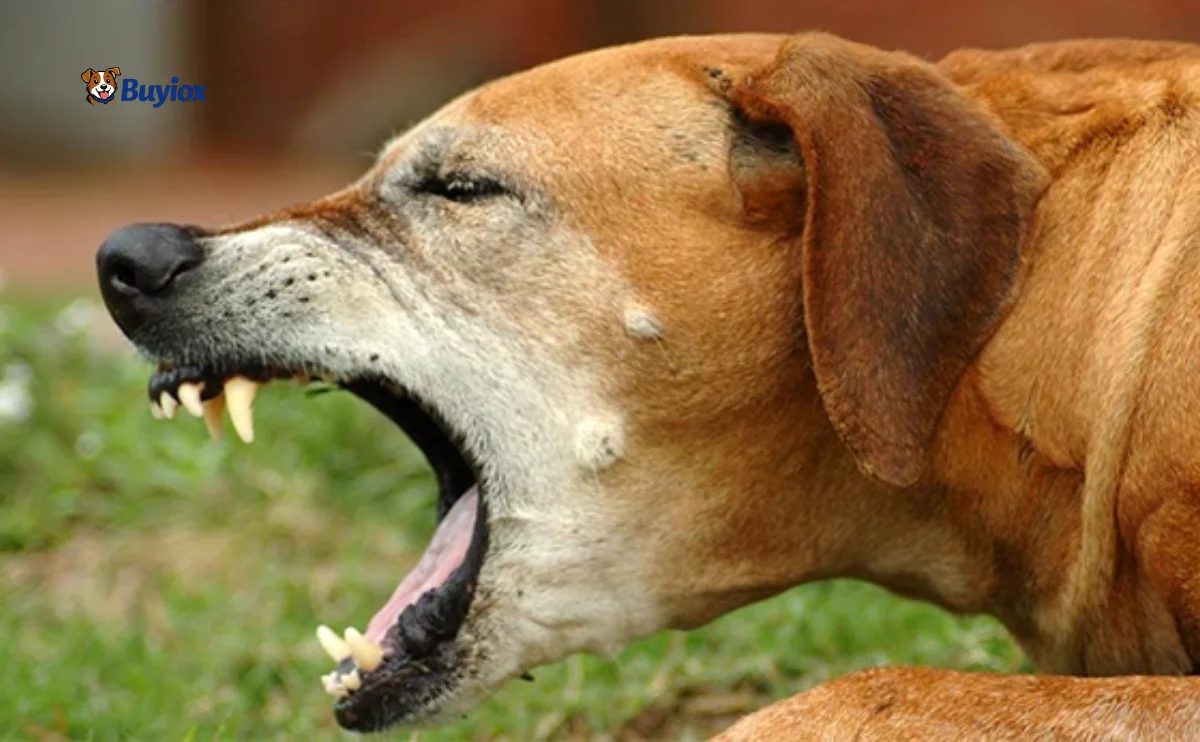
When your dog starts coughing, it can be confusing fast. Some coughs sound dry and harmless. Others sound deep, wet, harsh, or almost like gagging. And because dogs cough for different reasons, the sound alone does not always tell you exactly what is wrong.
The good news is that not every cough means an emergency. The important part is knowing when it sounds like a simple short-term irritation and when it could point to something more serious, like a respiratory infection, tracheal problem, pneumonia, or heart-related issue.
Your dog is usually coughing because something is irritating the airways or affecting the lungs, throat, or even the heart. Common causes include kennel cough, canine respiratory infections, bronchitis, tracheal collapse, pneumonia, heart disease, or something stuck in the throat. If the cough is getting worse, lasting more than a week, or comes with low energy, fever, poor appetite, or breathing trouble, call your vet.
What kind of cough does your dog have?
One of the first things vets care about is what the cough sounds like and when it happens. That does not mean you need to diagnose it yourself, but the pattern can give useful clues. VCA notes that a complete history matters a lot in a coughing dog, including how long the cough has been there and whether it happens in certain situations.
- Dry, honking cough: This often makes people think of kennel cough or tracheal collapse, especially if it sounds goose-like or gets worse with excitement.
- Wet or phlegmy cough: This can be more concerning, especially in puppies, because it may point toward pneumonia or deeper airway involvement.
- Coughing with gagging: Some dogs sound like they are trying to clear the throat after coughing. That can happen with kennel cough or irritation, but trouble breathing or distress makes it more urgent.
- Cough that gets worse with excitement, heat, exercise, eating, or pulling on the neck: This pattern is often discussed with a collapsing trachea.
The most common reasons dogs cough
Kennel cough or canine infectious respiratory disease
This is one of the best-known causes of dog coughing, especially when the cough is frequent, dry, and honking. AVMA describes canine infectious respiratory disease complex, often called kennel cough, as a highly contagious illness of the respiratory tract in dogs. It often spreads where dogs spend time together, such as boarding, daycare, training, grooming, or other social settings.
Many mild cases improve with time and rest, but some dogs need veterinary care sooner, especially puppies, seniors, or dogs that become lethargic, develop nasal discharge, or seem to be struggling.
Bronchitis
Bronchitis means inflammation in the bronchi, the lower airways. AKC notes that bronchitis can cause a cough that may be acute or chronic. Chronic bronchitis is usually discussed when coughing lasts for a long time rather than just a few days. VCA describes chronic bronchitis as a condition that causes a frequent cough lasting more than two months.
Collapsed trachea
A collapsed trachea is especially known for causing a dry, honking cough. AKC says the sound can resemble a goose honk, and common triggers include heat, excitement, eating, drinking, neck pressure, and exercise. This problem is often more noticeable in smaller dogs.
Pneumonia
Pneumonia is one of the more serious reasons a dog may cough. AKC explains that dogs can develop pneumonia after inhaling material into the lungs, such as vomit or liquid, which may lead to aspiration pneumonia. Wet cough, labored breathing, weakness, or fever-like illness raises more concern here than a simple dry cough does.
Something stuck in the throat or airway irritation
Sometimes coughing starts because something irritates the throat or airway, or because a dog got something partly stuck. PetMD says that if you suspect something is stuck in your dog’s throat and your dog seems short of breath or distressed, the dog should be evaluated immediately.
Heart disease
PetMD notes that coughing can sometimes be related to heart disease, not just the airways. This is one reason a chronic or recurring cough should not always be dismissed as “just kennel cough,” especially in older dogs or dogs with lower stamina.
When coughing is probably mild, and when it is not
A short cough once or twice after drinking water too fast is very different from a recurring cough that is now part of your dog’s daily routine. PetMD notes that dog coughing is often nothing serious, but constant or recurrent coughing can signal an underlying illness.
AKC says you should definitely call the vet if the cough gets worse or lasts longer than a week, or if your dog seems more tired than usual, has a fever, or stops eating. Those extra signs matter as much as the cough itself.
Red flags that mean you should move faster
Some signs change this from a “watch closely” situation into a “call now” situation. The biggest red flag is not just coughing. It is coughing plus breathing trouble, worsening weakness, or obvious distress.
- Trouble breathing: PetMD says if your dog appears worried or distressed, has trouble breathing, or the breathing becomes loud or noisy, urgent evaluation is needed.
- Heavy breathing for no clear reason: PetMD describes unexplained heavy breathing as often a medical emergency.
- Wet cough in a puppy: VCA notes this can be more serious and may point toward pneumonia.
- Lethargy, poor appetite, or fever: These make a respiratory infection more concerning and are reasons to call sooner.
- Cough changing character or lingering: AKC advises veterinary evaluation if a cough lingers, changes character, or does not go away.
Step-by-step: what to do if your dog is coughing
If your dog starts coughing, this is the calmest and most useful way to respond.
Step 1: Listen to what kind of cough it is.
Try to notice whether it is dry, honking, wet, gagging, occasional, or constant. That description helps the vet a lot. VCA notes that cough history is a key part of figuring out the cause.
Step 2: Think about recent dog contact.
If your dog was recently boarded, groomed, at daycare, around lots of dogs, or in another social setting, kennel cough or another contagious respiratory issue moves higher on the list. AVMA highlights these dog-to-dog spread risks clearly.
Step 3: Watch for breathing trouble or energy changes.
A mild cough in a bright dog is one level of concern. A coughing dog that is weak, breathing harder, or not acting right is a different level entirely.
Step 4: Limit excitement and neck pressure.
If the cough worsens with excitement or pulling on the neck, avoid adding more strain. This matters especially when tracheal collapse is a possibility.
Step 5: Call your vet if the cough is recurring, worsening, or lasting.
PetMD and AKC both make the same overall point: a cough that keeps happening deserves more attention than a one-off, brief episode.
Time estimate
A useful first home check usually takes about 5 to 10 minutes: listen to the cough, watch the breathing, think about recent exposure, and decide whether this is a mild monitor-closely situation or a same-day call.
Troubleshooting
- If your dog only coughed once after drinking: Watch to see whether it repeats. One brief episode is not the same as an ongoing cough.
- If your dog keeps coughing after boarding or daycar, think kennel cough or another contagious respiratory illness first.
- If the cough sounds honking and gets worse with excitement, Tracheal collapse becomes one of the more relevant possibilities.
- If the cough sounds wet or your dog seems weak: Move faster, especially in puppies.
Questions owners usually search right after this one
When USA dog owners search “why is my dog coughing,” they are usually also searching:
- Is it kennel cough?
- Why is my dog coughing and gagging?
- Why is my dog coughing like something is stuck in his throat?
- Why is my dog coughing at night?
- When should I worry about my dog’s cough?
- Could it be tracheal collapse?
The most helpful answer across all of those is this: the pattern matters. A dry honking cough after dog exposure makes kennel cough more likely. A goose-honk cough triggered by excitement or neck pressure points more toward tracheal collapse. A wet cough or breathing trouble raises more concern for pneumonia or a more serious respiratory problem.
Common Mistakes
Calling every cough “just kennel cough.”
Kennel cough is common, but it is not the only cause. Bronchitis, tracheal collapse, pneumonia, heart disease, and airway irritation can also be involved.
Waiting too long because the dog still seems cheerful
Some dogs stay bright early on, and even when the cough is becoming a real issue. AKC specifically says to call if the cough worsens, lasts longer than a week, or the dog seems more tired than usual.
Ignoring breathing changes
Coughing with heavy or difficult breathing is not something to downplay. PetMD treats unexplained heavy breathing as a serious concern.
Taking a coughing dog around other dogs
If the cough were contagious, daycare, parks, grooming, and boarding could spread it. AVMA emphasizes how easily CIRDC spreads in dog social settings.
Using random human cough medicines
Coughing in dogs needs the right cause identified first. Random over-the-counter human meds are not a smart substitute for knowing what is actually going on.
Product help for Your Dog
This is not a “buy something random and fix the cough” problem. A cough needs the right cause identified. But a few practical things can still help while you keep your dog calm and comfortable.
- Calmer travel setup: Helpful if you need a vet trip and your dog is already stressed or coughing more with excitement. You can browse the Buyiox shop for practical dog travel and comfort tools.
- Easy-clean bedding: Useful if your dog is resting more than usual or dealing with nasal discharge as part of a respiratory illness.
- Lower-stress walking setup: Helpful if neck pressure seems to trigger coughing, especially when tracheal collapse is a concern. AKC notes neck pressure can worsen tracheal collapse coughing.
Buying mistake to avoid:
Do not buy random calming syrups, respiratory supplements, or internet “cough cures” before you know whether the issue is kennel cough, bronchitis, tracheal collapse, pneumonia, or something else entirely.
Final Thoughts
If your dog is coughing, the simplest truth is that something is irritating or affecting the airways. Sometimes it is a mild contagious respiratory infection. Sometimes it is bronchitis or tracheal collapse. Sometimes it is more serious, especially when the cough is wet, the breathing is harder, or the dog is getting weaker.
The smartest move is to pay attention to the cough pattern, recent dog exposure, energy level, appetite, and breathing. If the cough is worsening, lingering, or paired with red-flag signs, trust that concern and call your vet sooner rather than later.
-
Why is my dog coughing and gagging?
Coughing with gagging can happen with kennel cough, throat irritation, or other airway issues. If your dog seems distressed or has trouble breathing, urgent evaluation is needed.
-
How do I know if my dog has kennel cough?
Kennel cough often causes a frequent, dry, honking cough, especially after exposure to other dogs in boarding, daycare, or similar settings.
-
Why does my dog cough like something is stuck in his throat?
This can happen with throat irritation, kennel cough, or sometimes something truly stuck. If your dog seems short of breath or distressed, a vet should evaluate them immediately.
-
When should I worry about my dog coughing?
You should worry more if the cough worsens, lasts longer than a week, or comes with low energy, fever, poor appetite, or breathing trouble.
-
Can a collapsed trachea make my dog cough?
Yes. Collapsed trachea often causes a dry, honking cough that may get worse with excitement, eating, drinking, exercise, or pressure on the neck.
-
Why is my dog coughing after boarding?
Exposure to other dogs in boarding or daycare raises the chance of kennel cough or another contagious respiratory illness.
-
Can pneumonia cause coughing in dogs?
Yes. Pneumonia can cause coughing and is more concerning when the cough is wet, the dog is weak, or breathing is harder than normal.
-
Why is my dog coughing at night?
Night coughing can happen for several reasons, including airway irritation, chronic respiratory disease, or other underlying issues. A recurring nighttime cough should still be discussed with your vet.
-
Should I keep my coughing dog away from other dogs?
Yes. If the cough could be contagious, keeping your dog away from other dogs is the safer choice until you know more.
-
Can heart disease cause a dog to cough?
Yes. PetMD notes that coughing in dogs can sometimes be related to heart disease, not just a simple airway infection.