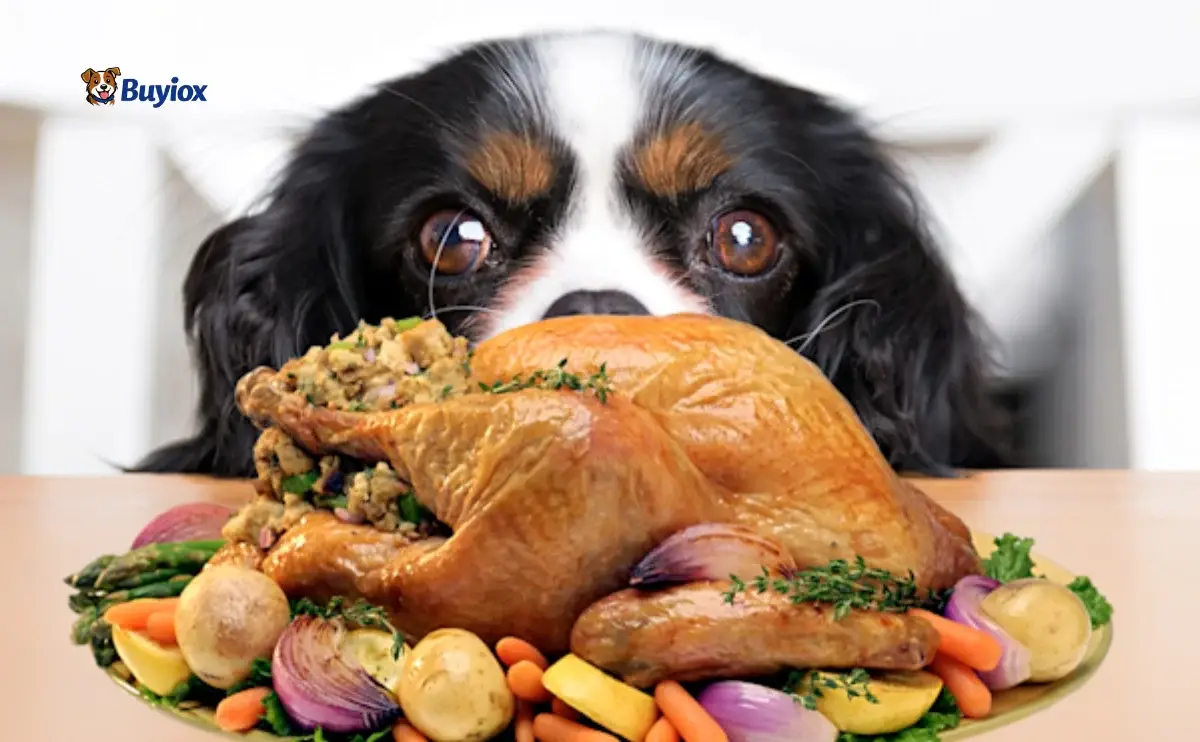
Turkey can be a great protein for dogs, but it depends on how it’s cooked and what parts you give. Most problems happen when dogs eat turkey that’s seasoned, fatty, or mixed with holiday foods like gravy, stuffing, onions, or garlic.
Yes, dogs can have plain, fully cooked, boneless turkey meat in small amounts. Skip turkey bones, skin, gravy, and seasoned turkey, and never share stuffing or onion/garlic flavors.
The “Turkey Safety Scorecard” (easy to remember)
Best choice
Plain cooked turkey meat (especially lean breast), no seasoning, no skin, no gravy.
Risky
Deli turkey, turkey sausage/bacon, or anything processed. These can be high in salt and additives.
Don’t give
Turkey bones (cooked or raw), turkey skin, gravy, stuffing, or turkey cooked with onion/garlic/spices.
Why turkis turkeyod” for some dogs
Turkey is a protein source, and many dogs do well with lean, simple meats as an occasional treat or topper. The key is moderation and keeping it plain, because rich fats and seasonings are usually what cause upset stomachs.
How much turkey can I give my dog? (simple portion guide)
Think of turkey as a treat, not a replacement meal. Start small so you can see how your dog’s stomach handles it.
Small dogs: 1–2 bite-sized
This keeps fat and “new food” stress low, so you’re less likely to see diarrhea.
Medium dogs: a small handful of bite-sized pieces
Enough to feel like a reward, not enough to overload digestion.
Large dogs: a few larger bites
Still keep it modest, especially the first time.
If your dog has a sensitive stomach, pancreatitis history, or is on a medical diet, ask your vet before adding table foods.
The safest way to serve turkey (do this)
Use this “3-step safe turkey rule”:
- Plain and fully cooked
No spices, no onion/garlic, no gravy. Turkey cooked with aromatics can contaminate the meat with ingredients that aren’t dog-friendly. - Boneless
Turkey bones are dangerous because they can splinter and cause choking, blockages, or internal injury. - Skin removed
Skin is fatty and often seasoned. High-fat scraps can trigger digestive upset and, in some dogs, pancreatitis risk.
What parts of turkey are unsafe (and why)
Turkey bones
Even if your dog is a strong chewer, turkey bones can splinter and cause serious problems in the mouth or intestines. Vet sources specifically warn against turkey bones.
Turkey skin
Turkey skin is high-fat and often seasoned. It’s one of the most common “holiday table” items that leads to stomach upset.
Gravy and drippings
Gravy is often salty and fatty, and can contain onion/garlic or rich ingredients. Many vets recommend avoiding gravy for dogs.
Stuffing and seasoned turkey
Stuffing frequently contains onions, garlic, and other ingredients that are dangerous for dogs. Onions are toxic, and garlic can be harmful in larger amounts.
Deli turkey and processed turkey
Processed meats can have high sodium and preservatives. It’s safer to stick with plain cooked turkey that you control.
“My dog ate turkey. What should I watch for after?
Most dogs are fine if they had ahaveall amount of plain turkey. But if your dog ate bones, skin, or seasoned leftovers, watch for:
Vomiting, repeated gagging, or trying to swallow
This can happen if a bone splinter is stuck or if the stomach is irritated.
Diarrhea, greasy stool, or belly pain
Fatty foods can upset the stomach.
Lethargy, hunched posture, or refusing food
These can be signs your dog doesn’t feel well and may need a vet check.
If your dog swallowed turkey bones or is showing serious symptoms, contact a vet urgently.
Common mistakes (that cause “turkey problems”)
Mistake 1: “Just a little gravy won’t hurt”
Gravy can be a fat + salt + seasoning combo that upsets many dogs.
Mistake 2: Giving “small bones” because the dog is “careful”
Even careful chewers can splinter turkey bones.
Mistake 3: Sharing holiday plate scraps
Most holiday food is mixed with ingredients dogs shouldn’t eat (onion/garlic/spices).
Mistake 4: Giving turkey skin because the dog loves it
Skin is exactly the part most likely to cause digestive issues.
If you’re unsure whether a turkey bite is safe, keep it plain, boneless, and skinless. When in doubt, skip table scraps and stick to your dog’s normal food. Your dog will be happier with a calm stomach.
-
Can dogs eat turkey meat?
Yes, plain ful, fully cooked turkey meat can be safe for many dogs in small amounts. Remove skin and avoid seasoning, gravy, and stuffing.
-
Can dogs eat turkey bones?
No. Turkey bones can splinter and cause choking, blockages, or internal injury. Keep all bones away from dogs.
-
Can dogs eat turkey skin?
It’s best to avoid it. Turkey skin is high in fat and often seasoned, which can upset a dog’s stomach and may increase pancreatitis risk in sensitive dogs.
-
Can dogs eat deli turkey?
It’s not recommended as a regular treat. Deli turkey can be high in salt and preservatives. Plain cooked turkey you control is safer.
-
What should I do if my dog ate turkey bones?
Contact a vet right away, especially if your dog is vomiting, gagging, acting painful, or not eating. Bones can splinter and cause serious injury or blockage.