Dog hair on the couch is one of those problems that feels never-ending. You clean it, it looks good… then your dog jumps back up, and the hair returns like it was never gone.
If you’ve tried a lint roller and felt disappointed, or you’ve vacuumed the same cushion three times and the hair still shows, you’re not alone. The problem isn’t that you’re doing it “wrong.” The problem is that different couch fabrics trap hair in different ways, and one tool can’t win every time.
This guide makes it simple. You’ll learn:
- Which tools work best for couch hair (not carpet, not car seats, couch)
- What to use for seams and corners (the worst spots)
- What works best for microfiber vs fabric vs leather
- a fast routine you can actually keep up with
Quick answer (2–4 lines)
For most couches, the fastest results come from a rubber pet hair tool first (it pulls hair out), then a reusable lint roller to finish (it makes it look perfect). If hair is deep in seams, add a vacuum crevice tool after the rubber step.
Why couch hair is so hard (simple explanation)
Couch fabric has tiny threads and texture. Dog hair twists into it like a hook. When you rub or vacuum too fast, the hair doesn’t lift; it just moves around or stays stuck.
That’s why “sticky” tools (like rollers) can feel weak on some couches. They only grab the hair sitting on top. But most of the annoying hair is inside the weave, especially in:
- cushion edges
- seams and stitching
- the corner where your dog curls up every day
So the goal is not just “pick up hair.” The goal is to lift it out first, then pick it up.
The 5 main tool types (and what each is best for)
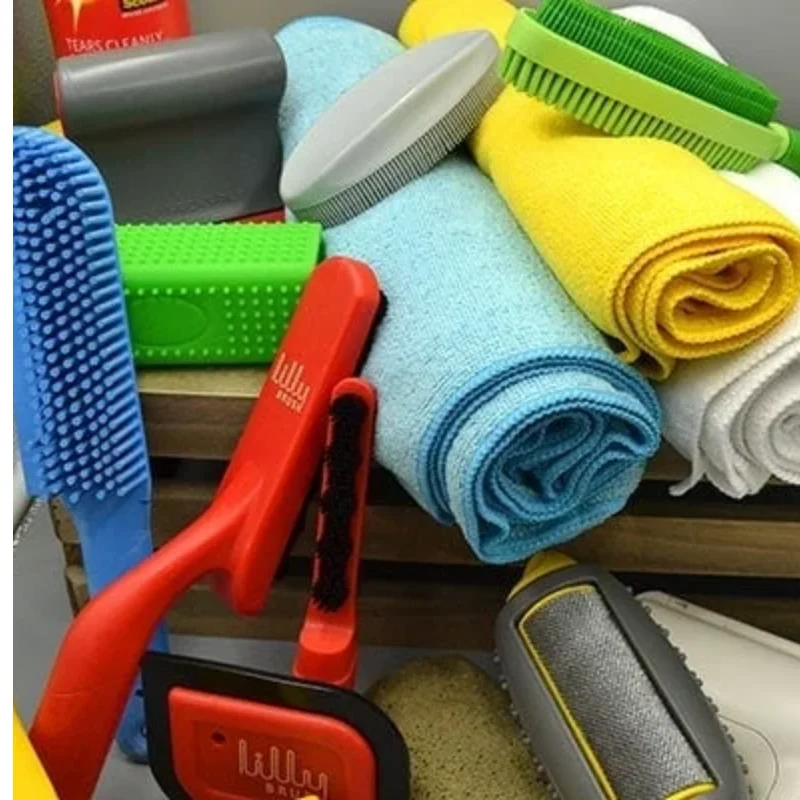
1) Rubber pet hair remover tool (best overall for couches)
This is the tool most people wish they had tried earlier. Rubber grips hair and pulls it out of fabric so it rolls into piles.
- It’s best when hair is stuck in fabric and won’t vacuum out easily.
- Rubber friction breaks the “hold” the fabric has on hair, so it comes out in one pass.
- It’s especially helpful on couch seams and armrests.
- Those places trap hair deeply, and rubber tools can reach them better than rollers.
Best for: fabric couches, microfiber, seams, and heavy shedding.
2) Reusable lint roller (best finishing tool)
Reusable rollers are great for quick touch-ups and making the couch look neat.
- It’s best when hair is loose on top, and you want fast results.
- Think: “guests are coming” or “I want the couch to look clean on camera.”
- It’s great after you use a rubber tool.
- The rubber tool does the heavy lifting; the roller makes it look polished.
Best for: top layer hair, blankets on the couch, quick tidy, finishing pass.
3) Vacuum with upholstery tool (best for crumbs + finishing)
Vacuums are helpful, but they’re not always step one for pet hair.
- It works best after hair is lifted.
- If you vacuum first, hair can stay stuck, and you’ll feel like nothing changed.
- The crevice tool is your “seam weapon.”
- It pulls hair out of corners and stitching after you loosen it with a rubber.
Best for: seams, corners, under cushions, finishing after lifting.
4) Damp rubber glove (best “free” tool)
This is the simplest trick when you don’t have tools.
- It works because rubber grabs hair and turns it into piles.
- A lightly damp glove has extra grip and reduces static.
- It’s perfect for small areas or quick spot cleaning.
- Great for armrests, one cushion, or the exact spot your dog always sits.
Best for: quick clean, small areas, emergencies.
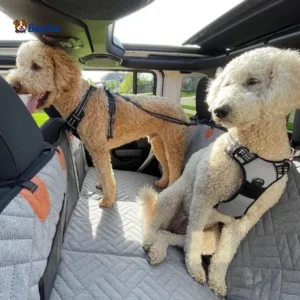
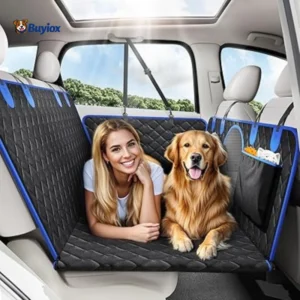
5) Couch cover / throw blanket (best prevention tool)
This isn’t a “remover,” but it prevents the biggest mess.
- It catches hair on a washable layer.
- Washing a blanket is easier than deep-cleaning couch fabric.
- It protects the dog’s favorite spot.
- If you protect the one place your dog sleeps most, you reduce 80% of the hair problem.
Best for: homes that want less cleaning, heavy shedders, and daily couch dogs.
Choose the best tool based on your couch type.
If your couch is fabric (most common)
Fabric couches usually do best with:
- rubber tool first (pull hair out)
- vacuum seams (if needed)
- reusable roller finish (quick polish)
This combo removes both deep hair and surface fuzz.
If your couch is microfiber
Microfiber can trap hair like Velcro.
A rubber tool is usually the winner here because it grips hair hard. Then vacuum slowly and finish with a roller if needed.
If your couch is leather or faux leather
Lucky you, hair usually sits on top.
A microfiber cloth wipe is often enough. Then vacuum the gaps between cushions. You usually don’t need a rubber tool unless hair is caught in seams.
The “fastest routine” that works for most homes (10 minutes)
This is the routine that feels realistic even if you’re busy.
Step 1: Lift hair into piles (3–4 minutes)
Use a rubber tool or a damp glove and work in one direction.
You’ll see hair roll into lines and little balls. This is the moment when the job becomes easy.
Step 2: Pick up the piles (1 minute)
Grab the clumps with your hand, paper towel, or small dustpan.
Removing piles first stops hair from spreading again during vacuuming.
Step 3: Vacuum seams and corners (2–3 minutes)
Use a crevice tool on:
- cushion seams
- couch corners
- armrest edges
- This is where hair hides and makes the couch look “still dirty.”
Step 4: Finish with a reusable roller (1–2 minutes)
This catches the last visible hairs and makes the couch look clean even up close.
What works best for couch seams (the place everyone hates)
Seams are tricky because hair gets pressed in by sitting and lying down.
Here’s the easiest seam strategy:
- Use a rubber first to loosen hair along the seam line.
- Think of it like pulling weeds from cracks; rubber helps lift what’s stuck.
- Then use the vacuum crevice tool to pull hair out.
- Vacuum is strongest when hair is already loosened and not “woven in.”
If you skip the rubber step, seams usually stay hairy.
A simple comparison: which tool should you buy first?
If you’re buying only one tool today, here’s the honest guide.
Buy a rubber pet hair remover first if…
- Your couch hair feels “stuck,” not loose.
- That means you need pulling power, not just sticky pickup.
- You have a heavy shedder or multiple pets.
- Rubber tools remove more hair per minute on fabric couches.
- Your main problem is seams and corners.
- Rubber works where rollers struggle.
Buy a reusable lint roller first if…
- You mainly need quick touch-ups on top.
- It’s perfect for “before guests arrive” cleaning.
- You have a leather couch or mostly smooth surfaces.
- Hair sits on top, so rolling works fast.
- You want an easy finishing tool after other cleaning.
- A roller is the final polish tool.
Best choice for most dog homes
One rubber tool + one reusable roller.
It’s like having a “deep clean tool” and a “finish tool.”
Common mistakes that make couch hair removal feel impossible
Mistake 1: Vacuuming first and getting frustrated
Vacuuming is good, but it’s not always the first step.
If hair is stuck, the vacuum can miss it or push it deeper. Lift hair first, then vacuum.
Mistake 2: Rubbing hair in circles
Circular rubbing spreads hair and increases static.
One-direction strokes gather hair into piles faster and feel less messy.
Mistake 3: Ignoring the dog’s favorite spot
Most hair comes from one or two main spots.
If you clean the whole couch but ignore the “dog corner,” hair comes back immediately.
Mistake 4: Using harsh tools on delicate fabric
Some fabrics can snag or fuzz if you scrape too hard.
Test a small hidden area first and use gentle pressure.
Product help (not an ad): what to look for when buying
If you’re shopping for a couch hair remover, focus on these real features:
For rubber pet hair tools
Look for a rubber surface that grips hair well but feels smooth enough not to damage fabric. A shape that reaches seams is helpful because seams hold the most hair.
For reusable lint rollers
Choose one that’s easy to clean quickly. If cleaning the roller is annoying, you won’t use it often, and the best tool is the one you actually use.
For couch covers/throws
Pick something washable and comfortable. A throw blanket is the simplest “hair trap,” and it makes weekly cleaning much easier.
-
What is the best pet hair remover for a couch?
For most fabric couches, a rubber pet hair remover tool works best because it pulls hair out of the fabric. A reusable lint roller is great for finishing and quick touch-ups.
-
How do you get dog hair out of couch seams?
Loosen the hair first with a rubber tool or lightly damp glove, then use a vacuum crevice tool to pull it out. Seams trap hair deep, so lifting first saves time.
-
What removes pet hair from microfiber couches best?
A rubber tool usually works best on microfiber because it grips hair strongly and rolls it into piles. Vacuum slowly afterward and finish with a roller if you want a cleaner look.
-
Why doesn’t vacuuming remove dog hair from my couch?
Hair can be stuck inside fabric fibers, especially in seams and corners. Vacuuming works much better after you lift hair with a rubber tool so the suction can grab it.
-
How can I keep dog hair off my couch?
Use a washable throw blanket on your dog’s favorite spot and brush your dog regularly. Small habits reduce the amount of loose hair that reaches the couch.