Dog hair in the car is a different kind of annoying.
At home, you can take your time. In the car, you want a quick win, especially if you drive kids to school, give someone a ride, or just hate seeing hair all over the seats. And car seats are tricky because hair hides in seams and sticks to textured fabric like it’s glued.
This guide makes it simple. You’ll learn:
- The best tools for fabric seats vs leather seats
- How to remove hair from seams and edges (the hardest part)
- a fast routine that makes the car look clean again without a full weekend deep clean
Quick answer (2–4 lines)
For most fabric car seats, the best tool is a rubber pet hair remover brush/squeegee, followed by a vacuum crevice tool for seams. For leather seats, a microfiber cloth wipe is often enough, with vacuuming for cracks.
Why does dog hair stick to car seats so strongly (simple explanation)
Car upholstery is made to be durable. That also means it can be “grippy,” with a tiny texture that holds hair.
Hair gets pressed into the seat every time someone sits down or your dog shifts during a turn. That pressure pushes hair into the weave and into seams, where it stays.
So the goal is not “vacuum harder.” The goal is:
- lift hair out of the fabric first
- collect it (piles are easier than scattered strands)
- vacuum last to pull hair from corners and seams
The best pet hair remover tools for car seats (ranked by usefulness)
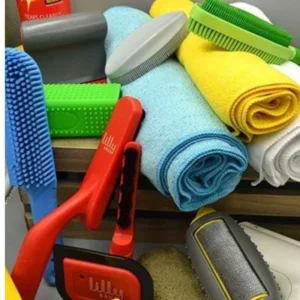
1) Rubber pet hair remover brush/squeegee (best overall for fabric seats)
This tool is the best for the “hair is stuck” problem.
Rubber creates friction that grips hair and pulls it out of upholstery. Instead of chasing single hairs, you pull, and the hair rolls into small piles you can pick up quickly.
It’s especially useful on the seat bottom and backrest, where hair gets pressed in during rides.
2) Vacuum crevice tool (best for seams and seat edges)
If you only vacuum the flat seat surface, the car still looks hairy. That’s because seams and corners hold most of the visible mess.
A crevice tool is narrow and reaches the places hair hides: stitching lines, seat belt anchor areas, and the seat edge near the door.
The crevice tool works best after you loosen hair with a rubber first, then the suction can grab what was stuck.
3) Reusable lint roller (best finishing tool for quick polish)
A reusable roller is great for the final look.
After you lift and vacuum, you may still see thin hair “film” on top. A roller picks that up quickly, especially on dark seats where hair shows more.
It’s also a good emergency tool to keep in the glove box for quick touch-ups.
4) Damp microfiber cloth (best for leather and plastic panels)
For leather seats, dog hair usually sits on top. A microfiber cloth wipe removes most of it in seconds.
A slightly damp cloth also helps with drool marks or dusty paw prints on smooth surfaces.
Just avoid rough scrubbing; gentle wipes protect the leather finish.
5) Soft detailing brush (best helper for tight stitching)
A small soft brush loosens hair along seams and stitching, so your vacuum can pull it out.
It’s not always necessary, but it’s great if your dog sheds a lot and hair gets trapped in the same spots every week.
Pick the right tool based on your seat type (quick guide)
If your car seats are fabric (most common)
Start with a rubber tool. It pulls hair out quickly and turns it into easy piles. Then vacuum seams and finish with a roller if you want a “clean look.”
This is the fastest combo for most cars because it handles both deep hair and surface hair.
If your car seats are leather (or leatherette)
Start with a microfiber wipe, then vacuum cracks and gaps. Leather doesn’t trap hair deep like cloth does, so you usually don’t need aggressive tools.
If your dog’s hair sticks near seams, use a soft brush gently and vacuum.
The fastest routine to remove dog hair from car seats (10–15 minutes)
This is the routine that works even if you’re busy.
Step 1: Lift hair into piles (3–5 minutes)
Use a rubber tool on the seat bottom and backrest. Work in one direction so hair gathers instead of spreading.
You’ll see hair turn into small piles; this is the point where cleanup becomes easy.
Step 2: Pick up piles (1 minute)
Grab the hair clumps and throw them away. This prevents hair from flying around when you vacuum.
Step 3: Vacuum seams and corners (3~5 minutes)
Use the crevice tool along the stitching lines, seat edges, and corners near the door.
These spots are where hair hides and makes the seat look “still dirty” after cleaning.
Step 4: Finish pass (1~2 minutes)
Use a reusable roller for the last visible strands, especially on darker seats or smooth fabric that shows hair.
The hardest part: dog hair stuck in seams (easy fix)
If hair is stuck deep in seams, do this:
First, loosen it with a soft brush or rubber tool along the seam line. Then vacuum immediately with the crevice tool.
This works because hair sits sideways inside the stitching. Once it’s loosened, suction can pull it out quickly.
Common mistakes (that waste time)
Mistake 1: Starting with a vacuum and getting frustrated
Vacuuming first often misses deep hair. Lifting hair first with a rubber saves time and makes vacuuming effective.
Mistake 2: Cleaning only the flat seat surface
Seams and edges hold the most hair. If you skip them, the car still looks messy even after cleaning.
Mistake 3: Rubbing in circles and spreading hair
Circular rubbing spreads hair and creates static. One-direction strokes gather hair into piles faster.
Mistake 4: Not protecting the seat for the next ride
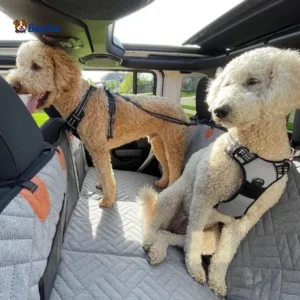
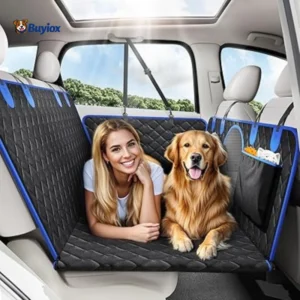
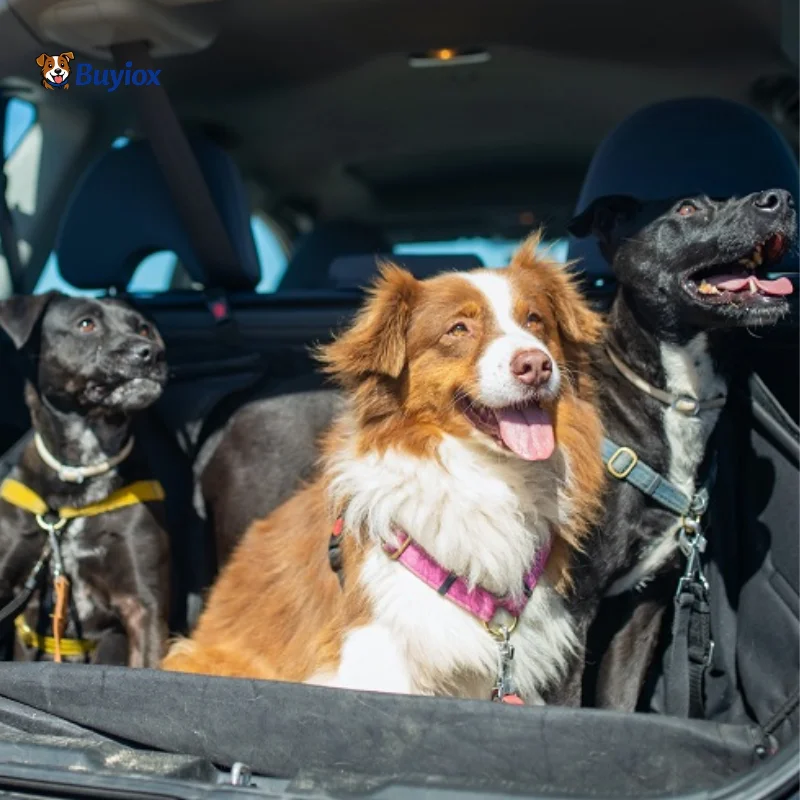
If your dog rides often, using a seat cover or hammock reduces hair buildup and makes cleanup much easier.
Product help (short + honest): what to look for when buying car hair tools
If you want a tool that actually helps, focus on these points:
A rubber hair remover should feel grippy and comfortable to hold, because you’ll use it in short, repeated strokes. A roller should be easy to clean and keep in the car without a mess. And if you use a vacuum in the car often, a crevice attachment that fits your vacuum makes seam cleaning much faster.
For frequent dog rides, a seat cover or hammock is a simple long-term upgrade because it keeps hair off the upholstery, so cleaning becomes “shake + quick wipe” instead of a full deep clean.
-
What is the best pet hair remover for car seats?
For fabric seats, a rubber pet hair remover brush is usually best because it pulls hair out of the upholstery. For leather seats, a microfiber cloth wipe works quickly, with vacuuming for cracks and seams.
-
How do I remove dog hair from car seats fast?
Lift hair first with a rubber tool to make piles, pick up the clumps, then vacuum seams and corners with a crevice tool. Finish with a reusable roller if you want a cleaner look.
-
Why won’t vacuuming remove pet hair from car upholstery?
Hair often gets pressed deep into the fabric and trapped in seams. Vacuuming works much better after you loosen hair with a rubber tool so suction can grab it.
-
How do I get pet hair out of car seat seams?
Loosen hair along the seam line with a soft brush or rubber tool, then vacuum immediately using a crevice attachment. Seams trap hair sideways, so loosening first is the key.
-
How can I prevent dog hair from sticking to car seats?
Use a seat cover or hammock for your dog’s riding area and do quick cleanups after rides. Prevention is easier than deep cleaning fabric seats every week