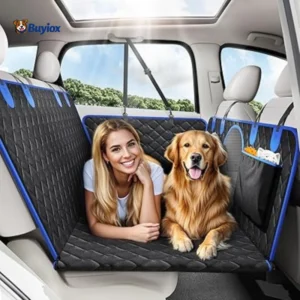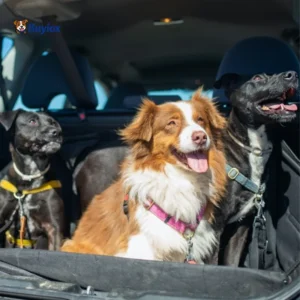
SUVs are great for dogs. More space, easier road trips, and usually a bigger back seat.
But SUVs also have a few “dog mess” problems that show up fast:
- hair collects in seat corners and cargo edges
- Muddy paws leave marks on door-side areas
- Big dogs shift around more, so the seat gets scratched and dirty faster
- The back seat gap and footwell area can become a hidden mess zone
So when people search “best dog car seat cover for SUV,” they’re usually not looking for a fancy product. They want something that fits well, stays in place, and is easy to clean.
That’s exactly what this guide helps you do.
Quick answer (2–4 lines)
For most SUVs, the best choice is a waterproof, non-slip cover (often hammock-style) with anchors, strong straps, and side flaps. It protects seats and doors, reduces slipping, and makes cleanup simple.
Why SUV seat covers are different from regular car seat covers
A cover that works “okay” in a small sedan can feel annoying in an SUV. That’s because SUVs often have:
- wider back seats
- bigger footwells
- higher door panels (more paw prints and scratches)
- split seats (60/40) that some people still want to use
So the best SUV cover isn’t just “waterproof.” It needs to match your SUV layout and your dog’s behavior.
Step 1: Choose the right style (cover vs hammock)
This is the first decision, and it makes everything else easier.
Standard bench seat cover (simple and clean)
A bench cover protects the back seat surface. It’s great if your dog sits calmly, and you mainly need hair and dirt protection.
It’s also easier to remove quickly if you sometimes carry passengers and want to switch setups.
Hammock-style cover (best for most SUV dog owners)
A hammock connects to the front and rear headrests and “bridges” the gap to the front seats.
For many SUVs, hammock style feels better because it gives more coverage and helps stop the footwell gap problem (when your dog slips down and scrambles back up).
Step 2: Pick the right size for an SUV (so it doesn’t slide or bunch)
Most seat cover problems are not “bad products.” They are a bad fit.
A cover that’s too small leaves exposed seat edges and slides around when your dog moves. A cover that’s too big bunches up, which feels unstable under paws.
How to check fit quickly
Measure or check:
- back seat width (door to door)
- backrest height you want covered
- headrest type (removable or fixed)
- whether you need split-seat access (60/40)
If your dog is large, choose a cover that offers fuller coverage. Big dogs don’t sit like small dogs; they sprawl, shift, and press into corners.
Step 3: The “must-have” features for SUV seat covers (the ones that really matter)
1) Waterproof (or water-resistant) layer
This protects against wet paws, drool, spilled water, and rainy-day rides.
A good waterproof layer stops moisture from soaking into your actual car seat, which is especially important if your dog often comes in damp after parks or walks.
2) Non-slip backing (especially important on leather SUV seats)
SUV seats often feel smooth, and leather can be slippery. If the cover moves like a rug, your dog will slip, and the cover will bunch up.
A non-slip backing helps the cover stay steady, which makes rides calmer and reduces claw marks from scrambling.
3) Seat anchors that tuck into the crease
Anchors (the little tubes/blocks) hold the cover in place and prevent “creeping.”
This feature sounds small, but it often decides whether you love your seat cover or constantly fix it.
4) Strong headrest straps (that tighten properly)
Loose straps cause slack. Slack fabric shifts. Shifting fabric makes dogs feel unstable.
A tight, flat install makes a cover feel like part of the seat instead of a moving layer.
5) Side flaps (if your dog leans toward doors)
SUV doors are tall and take a lot of paw prints. Side flaps protect:
- the door-side seat edge
- the seat corners
- the area where claws usually scratch when dogs watch out the window
If your dog is a “window watcher,” side flaps are one of the best upgrades.
6) Seat belt openings (if you use a harness tether)
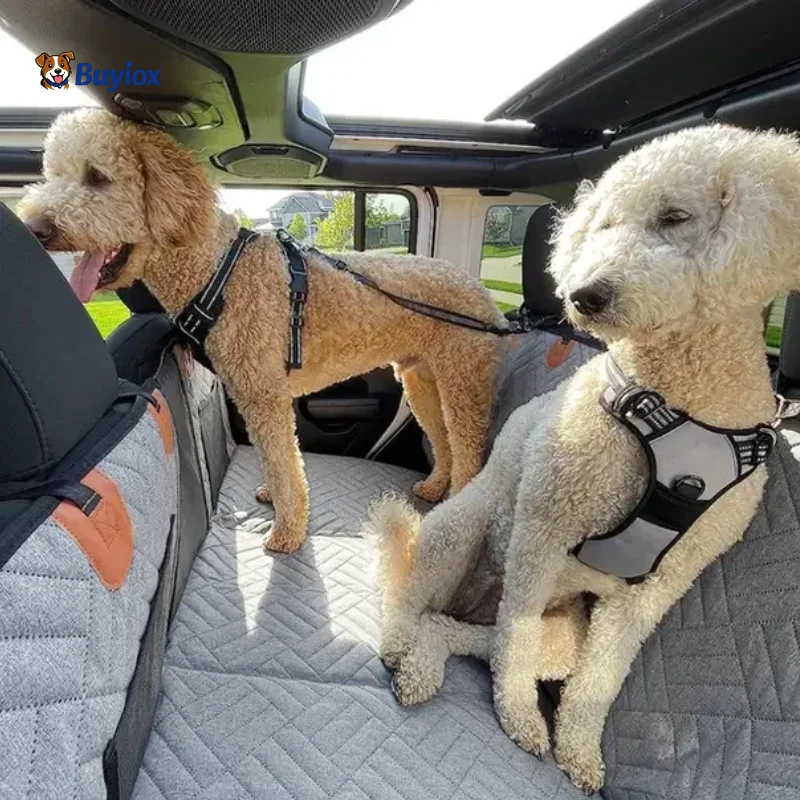
If you use a harness + seat belt tether, proper openings make the setup easier and safer.
You won’t have to “force” the belt through random gaps, and the cover will sit flat instead of pulling weirdly.
Step 4: Match the cover to your dog (this saves you from regret)
If your dog sheds a lot
Prioritize easy cleaning. A wipeable surface + quick shake-out makes life easier.
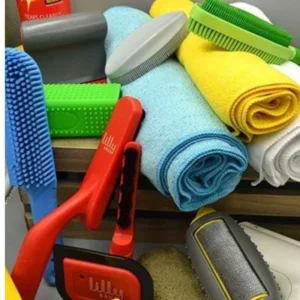
Also, your best long-term win is prevention: keep hair off the seat fabric in the first place, so cleanup becomes fast.
If your dog is muddy often (parks, trails, beach)
Waterproof + side flaps matter more. Mud usually spreads to door-side corners and footwell edges in SUVs.
A hammock is often better here because it blocks the gap and reduces the area where dirt can fall.
If your dog slips or gets anxious in the car
Non-slip backing + tight install is key. A hammock can help because it feels like a stable “platform.”
Also consider a harness + tether so your dog stays in one zone instead of bouncing side to side.
If your dog is large
Look for stronger straps and better coverage. Large dogs put more pressure on the cover, so cheap straps can loosen over time.
If your dog sprawls, you may also consider a back seat extender platform—but for many SUV owners, a strong hammock is enough.
The simplest “best setup” for SUV owners (clean + calm + safe)
If you want a setup that works for most people:
A waterproof hammock cover + harness + seat belt tether + a small cleanup kit (roller or brush).
This combo does three things at once:
- protects the seat from hair and mud
- reduces slipping and scrambling
- keeps the dog in a stable back-seat area so the mess stays contained
Many safety groups recommend restraining pets to reduce driver distraction and improve safety during sudden stops.
How to install a seat cover in an SUV so it stays put
Even a good cover can feel bad if it’s installed loosely.
Quick install checklist
- Center the cover first before tightening the straps.
- This prevents one side from being tight while the other side bunches up.
- Push seat anchors into the seat crease.
- Anchors stop the cover from sliding forward when your dog steps or shifts.
- Tighten headrest straps until slack is gone.
- A flat surface feels safer for your dog and reduces slipping.
- Smooth wrinkles with your hands.
- Wrinkles can create “slip spots,” especially on leather seats.
If you still see shifting after install, it usually means the cover is too small, too loose, or the backing isn’t grippy enough for leather.
Cleaning and care (so it stays nice)
A seat cover only feels worth it if it’s easy to maintain.
Quick cleanup after rides (2 minutes)
Shake off loose hair and wipe muddy spots quickly. This stops dirt from drying and becoming harder to remove later.
Weekly cleanup (10 minutes)
Vacuum seams and corners, and wipe the surface. Most mess hides around edges, especially in SUVs, where corners are bigger and collect more hair.
Deep cleaning (when needed)
If it’s machine washable, wash it according to the label instructions. Dry fully before reinstalling; damp covers can start smelling and can slip more.
Common mistakes (that make people hate their seat cover)
Mistake 1: Buying the cheapest cover and expecting it to stay tight
Cheap straps often loosen, and thin fabric can slide and bunch. You end up fixing it every ride.
Mistake 2: Choosing “waterproof” but ignoring non-slip
Waterproof is great, but if the cover slides, your dog slips, and the mess spreads anyway.
Mistake 3: Not using side flaps with a door-leaning dog
Without side flaps, the door-side seat edge gets dirty and scratched first. SUVs make this worse because dogs often sit higher and lean more.
Mistake 4: Skipping anchors and leaving the cover loose
A loose cover feels like a moving rug. Dogs feel unstable, especially during turns and braking.
Mistake 5: Letting the dog roam freely in the back seat
A roaming dog spreads mess everywhere and creates a driver distraction risk. A stable setup + tether helps keep the ride cleaner and calmer.
Product help (short + honest): what to look for when buying
If you’re shopping, focus on a few honest features:
A good SUV cover should be wide enough, have a real non-slip backing, and include anchors and strong straps. If your dog leans on doors, side flaps matter more than “fancy quilting.” If you use a tether, proper belt openings make the setup smooth and safer.
If you want the easiest long-term routine, choose a cover you can wipe down quickly. The best cover is the one you’ll actually maintain.
If your SUV’s back seat gets messy fast, don’t overthink it. Start with a cover that stays tight and is easy to clean. If you ever need help with an order, email hello@buyiox.com or WhatsApp +92 335 7313495.
-
What is the best dog seat cover for an SUV?
For most SUV owners, a waterproof hammock-style cover with non-slip backing, anchors, and strong straps works best. It gives more coverage and helps prevent slipping and the footwell gap problem.
-
Do I need a hammock or a bench seat cover for my SUV?
A bench cover is fine for calm dogs and basic protection. A hammock is better if your dog moves around, slips on seats, or steps into the gap, because it adds coverage and stability.
-
How do I stop a dog seat cover from sliding on leather seats?
Choose a cover with real non-slip backing and use seat anchors. Install it tight by removing slack from straps and smoothing wrinkles, because loose fabric shifts and causes sliding.
-
Are waterproof dog seat covers worth it?
Yes, especially for SUVs used for parks, trails, and rainy days. Waterproof layers protect your actual seats from wet paws, drool, and muddy mess, making cleanup much easier.
-
How do I clean a dog seat cover in an SUV?
Shake off hair after rides, wipe muddy spots quickly, and vacuum seams weekly. If the cover is machine washable, wash it when needed and dry it fully before reinstalling.