If you travel with your dog even a few times a week, you’ve probably reached the same question: Do I need a dog car hammock, or is a seat cover enough? The short answer is that both protect your car, but they solve slightly different problems.
A seat cover is best for simple protection from hair, dirt, and paw prints. A hammock adds extra coverage and stability, especially if your dog moves around, slips, or steps into the footwell gap.
This guide breaks it down in plain English, with real-life scenarios so you can choose the right option for your car, your dog’s habits, and your cleaning routine.
Quick answer (choose in 20 seconds)
Choose a seat cover if you:
- Mostly want basic seat protection (hair, dust, muddy paws)
- Have a calmer dog who stays seated
- Prefer a setup that’s quick to install and remove
- Want something simpler for short rides and daily errands
Choose a hammock if you:
- Want maximum coverage (seat + back of front seats + footwell area)
- Your dog moves around, stands up, or changes positions often
- Your dog slips on seats or gets anxious during turns/braking
- Your dog steps into the gap/footwell, and you want to block that
What’s the real difference (in plain language)?
A seat cover protects the seat surface. A hammock protects the seat surface and creates a “bridge” over the footwell gap.
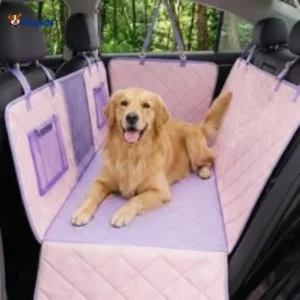
Seat cover = “protect the seat”
- Covers the back seat bottom (sometimes also the backrest)
- Keeps upholstery cleaner
- Easy to shake out and wipe down
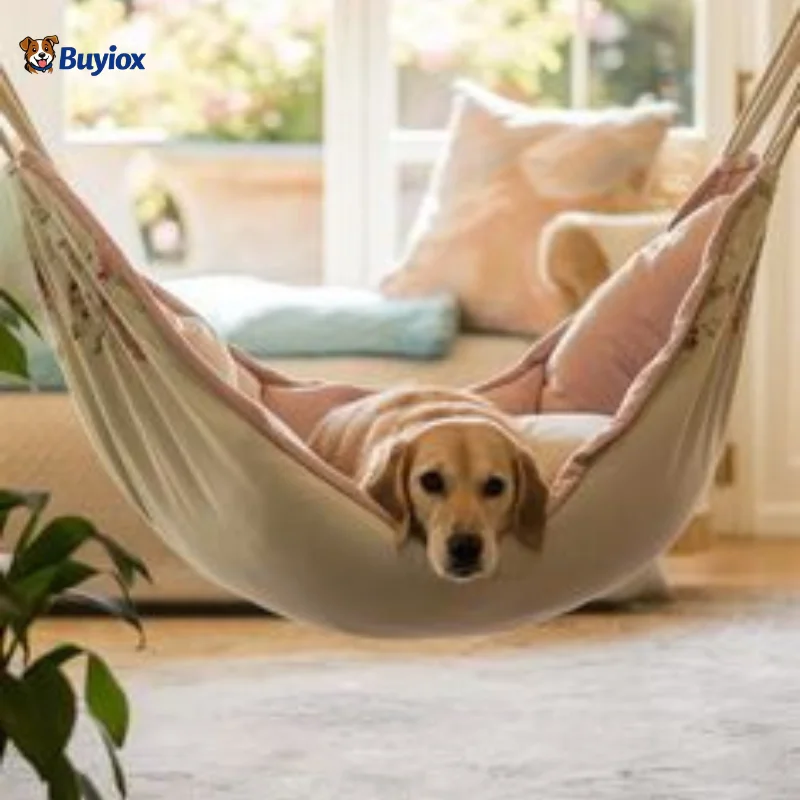
Hammock = “protect the seat + create a stable platform”
- Attaches to front and rear headrests
- Blocks the gap so your dog can’t slide/fall into the footwell
- Often feels more secure than dogs that lose balance easily
The 6 factors that matter most (how to choose correctly)

Most people choose based on photos. Better approach: choose based on the problem you’re actually trying to solve.
1) How much your dog moves during rides
If your dog sits calmly, a seat cover is usually enough.
If your dog paces, stands, turns around a lot, or tries to climb forward, a hammock helps by creating a stable zone and extra barrier coverage.
Why it matters: Movement spreads hair/dirt everywhere and increases slipping, which can increase anxiety.
2) The “footwell gap” issue
Some dogs step into the gap and get startled, then they scramble, leading to:
- slipping
- claw scratches
- more stress and drool
- More dirt is tracked into the corners
A hammock reduces this because it blocks that gap.
3) Your seat material (cloth vs leather)
- Leather/leatherette: slicker surface = more slipping risk
- Cloth: hair embeds deeper, but dogs often grip slightly better than leather
If slipping is a problem on leather, a hammock, or a non-slip seat cover can change the ride instantly.
4) Your main mess: hair, mud, drool, or scratches?
- Hair: both work (cover + quick cleanup tools is best)
- Mud/wet paws: The hammock often wins because it reduces mess in the footwell
- Drool: either works, but you’ll want a waterproof + wipeable surface
- Door scratches: separate issue, use door scratch protection if your dog leans on doors
5) Your dog’s size and how they like to sit
- Larger dogs often spread out and shift weight; hammocks can feel more stable
- Smaller dogs may do fine with a seat cover, but benefit from a stable base (and restraint)
6) Your cleaning style (quick routine vs deep clean)
If you like quick cleanups:
- The seat cover can be removed faster and shaken
- If you want the car to stay cleaner longer:
- A hammock reduces where mess can travel (especially into the footwell)
Seat cover: pros, cons, and best use cases
Pros of a seat cover
- Simple protection: keeps hair and dirt off your upholstery
- Easy to install: many covers take minutes
- Easy maintenance: shake it out, wipe down, wash when needed
- Great for calmer dogs: if your dog stays put, it works perfectly
Cons of a seat cover
- Less coverage: dirt can still end up in the footwell and gaps
- More slipping risk (sometimes): if the top surface is smooth, paws can slide
- Doesn’t block forward movement: your dog can still try to move into the front area
Best for:
- calm dogs
- shorter trips
- owners who want simple protection without extra setup
Hammock: pros, cons, and best use cases
Pros of a hammock
- More coverage: blocks the footwell gap and reduces mess spread
- More stability: many dogs feel safer and slip less
- Better for active dogs: helps contain movement to the back area
- Often better for muddy rides: less dirt ends up in hard-to-clean corners
Cons of a hammock
- More straps/anchors: slightly more setup
- Some dogs dislike the “bridge” at first: they may need a couple of short practice rides
- Not all hammocks are truly non-slip: you still need a grippy surface and a tight install
Best for:
- dogs who move around a lot
- dogs who slip or get anxious
- owners who want the cleanest long-term setup
The #1 thing people get wrong: “non-slip” claims
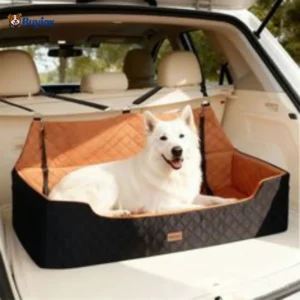
A lot of products say non-slip, but the real test is two-part:
What “non-slip” actually needs
- Grippy backing (so the cover doesn’t slide on the seat)
- Textured top surface (so your dog’s paws don’t slide on the cover)
If only the backing grips, but the top is slick, your dog can still slide.
If only the top has texture but the backing slides, the whole cover moves like a rug.
Best setup for most dog owners (clean + calm + safe)
If you want the easiest “set it and forget it” combo:
- Hammock (or non-slip cover) for protection and stability
- Harness + seat belt tether to keep your dog in one safe zone
- Small cleanup kit in the car (roller + microfiber + quick brush)
This combination usually reduces:
- slipping
- anxiety pacing
- hair spreading across the whole car
- constant deep cleaning
Buying checklist (simple, no overthinking)
Use this checklist when choosing either option.
Must-have features (both cover and hammock)
- Waterproof or water-resistant layer (for wet paws and spills)
- Easy to wipe surface (so cleanup is quick)
- Machine washable (or easy hand wash)
- Strong straps and anchors (so it stays tight)
Extra features that are actually useful
- Side flaps (more coverage near doors)
- Seat belt openings (so you can use a harness tether cleanly)
- Anti-scratch, thicker material (for dogs who dig or scratch)
Fit tip (avoid sizing headaches)
Focus on:
- back seat width
- whether you want side coverage
- how tall your headrests are (strap fit)
Common scenarios (pick the right one fast)
“My dog slips on the seat during turns.”
Choose: Hammock or non-slip cover + add tether
Why: Stability + controlled movement reduces sliding.
“My dog is calm but sheds a lot.”
Choose: Seat cover
Why: Basic protection is enough; cleanup stays easy.
“My dog steps into the footwell gap.”
Choose: Hammock
Why: Blocking the gap prevents panic and mess in corners.
“I want the cleanest setup for muddy trips.”
Choose: Hammock
Why: Extra coverage helps keep mud from spreading into hard areas.
“I want the simplest, quickest thing.”
Choose: Seat cover
Why: Less setup, still protects upholstery.
Very Frequently Asked Questions and their answers (Must Read)
-
Is a dog car hammock better than a seat cover?
A hammock is better if your dog moves a lot, slips, or steps into the footwell gap because it adds coverage and stability. A seat cover is enough for basic protection if your dog rides calmly and you mainly want to block hair and dirt.
-
Will a hammock stop my dog from slipping on leather seats?
Often yes—especially if the hammock has a textured top surface and a grippy backing, and you install it tight. For best results, combine it with a harness and seat belt tether so your dog stays in one stable zone.
-
Do seat covers protect against muddy paws and drool?
Yes, if the cover is waterproof or water-resistant and easy to wipe down. Hammocks usually offer more coverage, which helps keep mud from spreading into the footwell and seat gaps.
-
What features matter most when choosing a hammock or cover?
Look for a grippy backing, textured top surface, strong straps/anchors, waterproof layer, and seat belt openings if you plan to use a tether. The best product is the one that stays tight and is easy to clean.
-
Can I use a hammock or seat cover with a seat belt tether?
Yes, many are designed with seat belt openings. A harness + tether can reduce roaming and slipping, making rides calmer and safer. Always follow the product instructions and avoid attaching a tether to a collar.
-
Which is easier to clean: a hammock or a seat cover?
Both can be easy if they’re wipeable and washable. Seat covers can be slightly faster to remove and shake out, while hammocks may keep your car cleaner overall by reducing where hair and dirt can travel.
-
My dog hates the hammock. What should I do?
Start with short 2–5 minute practice rides and let your dog explore the setup while the car is parked. Keep the surface stable (tight straps), add a familiar blanket on top if needed, and reward calm behavior. Many dogs adjust quickly once they stop slipping.