
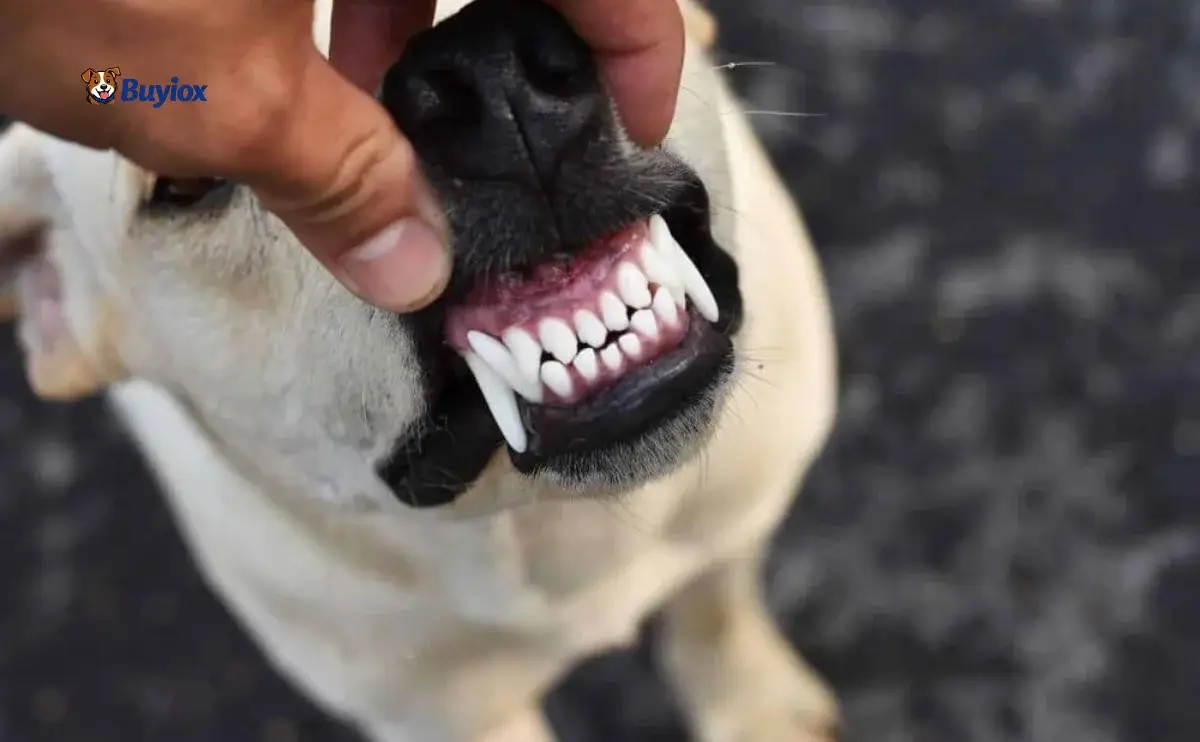
If you’ve ever tried to count your dog’s teeth, you already know it’s not easy. Dogs don’t exactly sit still and say “ahh.” Most people only notice teeth when something looks off, like a missing tooth, bad breath, or a puppy dropping tiny teeth on the floor.
Most puppies have 28 baby teeth. Most adult dogs have 42 permanent teeth. Adult dogs usually have 20 teeth on the top jaw and 22 on the bottom jaw.
The easy breakdown (without a boring lecture)
Puppies (baby teeth)
Puppies usually have 28 deciduous (baby) teeth. These are smaller and sharper, and they start showing up when puppies are just a few weeks old.
What’s included in puppy teeth
Puppies have incisors, canines, and premolars. They do not have molars as baby teeth.
Adult dogs (permanent teeth)
Adult dogs typically have 42 permanent teeth. It doesn’t matter if your dog is small or big—adult dogs are still meant to have 42.
Adult dog teeth count by type
12 incisors, 4 canines, 16 premolars, and 10 molars.
A simple “tooth map” you can picture
Instead of counting every tooth, remember this pattern.
Front teeth (incisors)
These are the small teeth at the very front. Dogs use them for nibbling and picking.
Long “fang” teeth (canines)
These are the sharp teeth right next to the incisors. They help grip and tear.
Side teeth (premolars and molars)
These are the chewing teeth. Premolars are closer to the front; molars are more toward the back.
Puppy teeth timeline (when teeth fall out)
This is the part most dog owners care about, because it can look weird when teeth start dropping.
Puppies usually start losing baby teeth around 3–4 months, and most adult teeth come in by about 6–7 months.
What’s normal
Finding a tiny tooth on the floor is normal. Many puppies swallow their baby teeth too, and that’s usually fine.
What’s not normal
If a baby tooth doesn’t fall out and an adult tooth grows next to it, that’s called a retained baby tooth. It can cause crowding and gum problems, so a vet should check it.
“My dog doesn’t have 42 teeth.” Should you worry?
Not always. There are a few common reasons a dog might have fewer teeth.
Reason 1: Your dog lost teeth because of dental disease
This is very common, especially in adult and older dogs. Bad breath, red gums, and visible tartar are big clues.
Reason 2: Teeth were removed by a vet
Sometimes a tooth is pulled because it is damaged or infected.
Reason 3: Your dog never had the tooth (less common)
Some dogs may be missing a tooth naturally, but it’s less common than tooth loss from disease.
Reason 4: A tooth is still “hiding”.
Some teeth can be hard to see, especially small premolars. That’s why vets use dental exams and sometimes X-rays.
Quick at-home check (takes 60 seconds)
You’re not trying to do a vet exam. You’re just looking for red flags.
Lift the lip gently and check the gum line.
If gums look very red, swollen, or bleed easily, that’s a sign of inflammation.
Smell test
Mild dog breath is normal. Strong “rotten” breath often means dental disease.
Look for broken teeth
If you see a chipped or dark tooth, a vet should check it.
Common mistakes (that cause tooth problems)
Mistake 1: Waiting until bad breath is extreme
Bad breath is often an early warning sign. Catching problems early can save teeth later.
Mistake 2: Thinking small dogs have fewer teeth
Adult dogs still typically have 42 teeth, even small breeds.
Mistake 3: Letting retained puppy teeth stay
Crowding can trap food and plaque. If you see double teeth, get it checked.
-
How many teeth do puppies have?
Puppies usually have 28 baby (deciduous) teeth. These start erupting when they are a few weeks old and begin falling out around 3–4 months.
-
How many teeth do adult dogs have?
Most adult dogs have 42 permanent teeth. That includes incisors, canines, premolars, and molars.
-
Do small dogs have fewer teeth than big dogs?
No. Adult dogs typically have 42 teeth regardless of size. Small dogs can have the same number but may have more crowding, which can increase dental problems.
-
When do puppies lose their baby teeth?
Many puppies start losing baby teeth around 3–4 months. Most adult teeth are in by around 6–7 months.
-
5Is it normal for my dog to be missing teeth?
It can be, especially if teeth were removed due to dental disease or injury. If you notice red gums, bad breath, or pain, it’s best to have a vet check