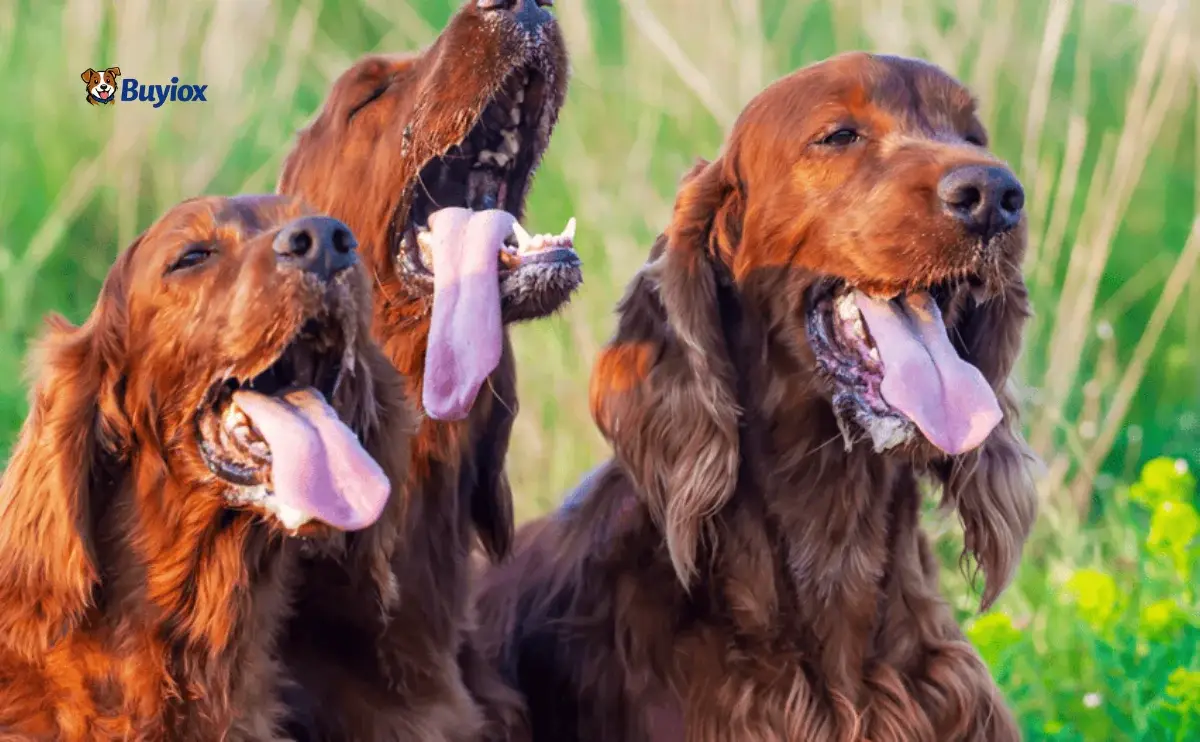
Panting is normal for dogs sometimes. Dogs pant to cool down. Dogs pant when they’re excited. But if your dog is panting a lot and it doesn’t match what’s happening, it’s smart to pay attention. Heavy panting can be a sign of heat stress, pain, anxiety, or a medical problem that needs help.
If your dog is panting “too much,” first check heat and airflow, then look for stress triggers and pain signs. If panting is heavy, keeps getting worse, or is accompanied by weakness, vomiting, or trouble breathing, call a vet urgently.
Step 1: Ask one simple question
Does the panting make sense right now?
If your dog just played, ran, or it’s hot, panting can be normal.
If your dog is panting hard while resting in a cool room, that’s when you investigate.
The most common reasons dogs pant a lot are
Reason 1: Heat or overheating
Dogs cool down mainly by panting. When the air is hot or humid, panting may not cool them enough, and heat stress can start.
Signs that heat is the cause.
Your dog is seeking cool spots, panting gets louder or faster, drooling increases, and your dog looks restless or uncomfortable.
What to do right now
Move your dog to shade or AC, offer cool water, and help airflow reach them. If you suspect heat stroke or your dog seems very unwell, treat it as an emergency.
Reason 2: Stress or anxiety
Dogs pant when they are stressed, even if they’re not hot. New places, loud sounds, vet visits, and car rides are common triggers.
Signs that stress is the cause.
Panting starts during specific events, your dog can’t settle, paces, or watches the environment like they’re “on alert.”
What helps
Reduce triggers, give a calm routine, and reward quiet moments. In cars, a stable back-seat setup can reduce slipping, which often reduces stress panting.
Reason 3: Pain or discomfort
Pain can cause heavy panting, even if your dog is lying still. This is easy to miss because some dogs hide pain well.
Clues your dog may be in pain
Restlessness, trembling, licking one spot, limping, not wanting to jump, or a “tight” belly posture can all be clues.
What to do
If panting is new and you suspect pain, don’t guess with human medicine. Contact a vet for safe advice.
Reason 4: Excitement
Some dogs pant hard when they’re happy or over-stimulated. This is common before walks, visitors, or the park.
How to tell
Your dog looks bright, happy, and bouncy, and the panting settles when the excitement ends.
What helps
Teach a calm routine: sit, wait, reward calm, then do the fun thing. This lowers “instant hype” panting over time.
Reason 5: Illness (heart, lungs, hormones, etc.)
If panting doesn’t match the situation, illness becomes more likely. Heart or lung disease, Cushing’s disease, and other problems can cause heavier breathing or panting.
Clues it may be medical
Panting happens at rest, your dog tyres quickly, coughs, seems weak, or the pattern is new and persistent.
What to do
This is a “call your vet” situation, especially if it’s getting worse or your dog seems uncomfortable.
You are worried about your dog painting in the car, so have a look at my other blog; I’m sure your problem will be solved there.
Quick home check (2 minutes)
These quick checks help you decide what to do next.
Check temperature and air flow.w
Is the room/car warm? Is your dog lying in a sunny patch? Move them to a cooler place and see if panting improves.
Check gums and drool. ol
Bright red gums, very pale gums, or thick drool can be warning signs during overheating.
Check activity and recovery time.
If your dog didn’t do anything active and panting is still intense, that’s a bigger red flag.
When panting is an emergency
Seek urgent veterinary care if you see any of these with heavy panting:
Trouble breathing, noisy breathing, or panting that won’t improve
This can signal serious overheating or respiratory distress.
Weakness, collapse, confusion, or seizures
These are emergency signs.
Vomiting or diarrhea with severe panting
This can happen in heat stroke and other serious conditions.
Very high body temperature
Veter sources note temperatures above 103°F (39.4°C) are abnormal, and extreme temperatures can be life-threatening.
If you suspect heat stress: what to do right away (safe steps)
Move to a cool place
Shade or AC is a priority.
Offer cool water
Small sips are fine. Don’t force it.
Cool gradually
Cool (not ice-cold) water on paws and belly can help while you contact a vet.
Get help fast if symptoms are strong.
Heat stroke can escalate quickly, so don’t “wait and see” when signs are severe.
Common mistakes
Mistake 1: Assuming panting is always “normal”
Panting that doesn’t match heat/activity can be a warning sign.
Mistake 2: Covering the problem with strong sprays or fans only
If the dog is overheating or sick, you need to fix the cause, not just mask symptoms.
Mistake 3: Giving human medicines
Many human medications are unsafe for dogs. Call a vet for guidance instead.
-
Why is my dog panting so much all of a sudden?
Sudden heavy panting can be caused by heat stress, anxiety, pain, or illness. If it doesn’t match the temperature or activity level, it’s safer to contact a vet.
-
Should I worry if my dog is panting at rest?
Yes, especially if the room is cool and your dog hasn’t exercised. Panting at rest can point to stress, pain, or a medical issue and should be monitored closely.
-
Can panting mean my dog is in pain?
Yes. Some dogs pant from pain even when they don’t cry. Look for limping, restlessness, licking one spot, or not wanting to move normally.
-
How do I tell if panting is hheatstroke
Heat stroke warning signs include excessive panting that won’t improve, heavy drooling, red or pale gums, vomiting/diarrhea, weakness, confusion, or collapse. Seek urgent vet care.
-
What can I do at home to help my dog stop panting?
Move your dog to a cooler place, offer water, reduce stress triggers, and help them rest. If panting stays heavy or your dog seems unwell, contact a vet promptly.