You’ve probably heard the sentence:
“Dogs’ mouths are cleaner than humans.”
It sounds nice. It makes dog kisses feel harmless. But it’s not true in a simple “yes/no” way.
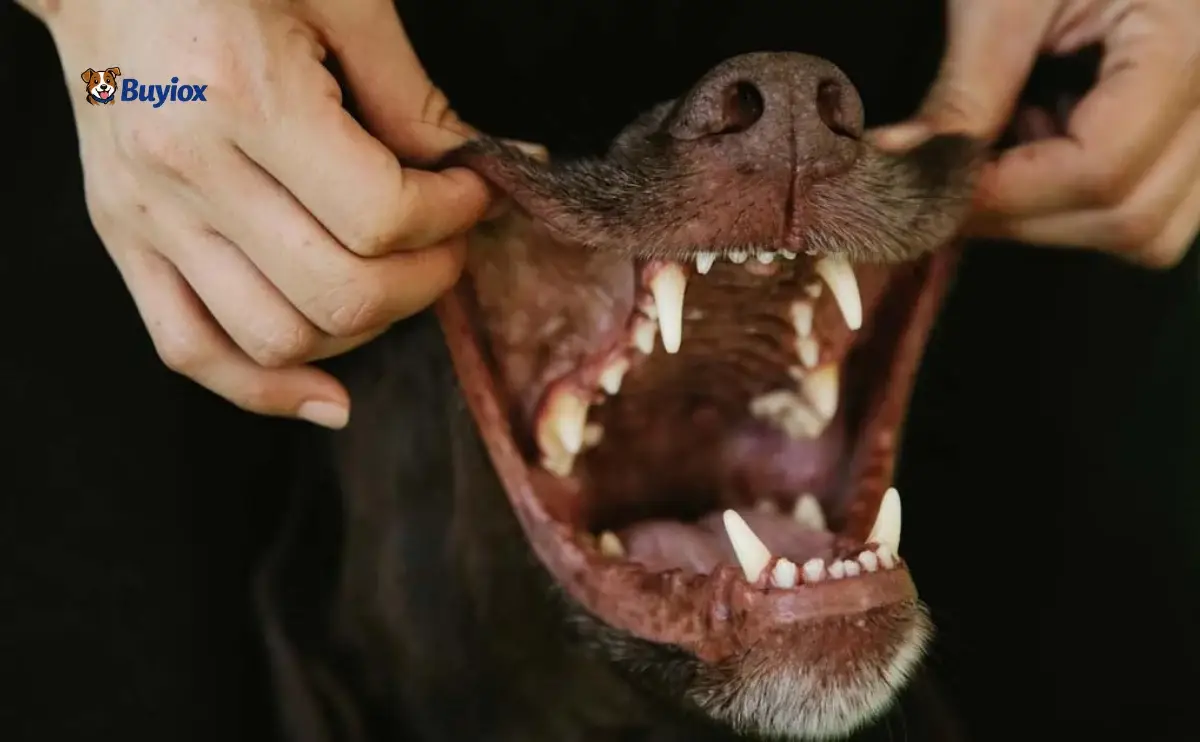
Here’s the real truth: a dog’s mouth is not cleaner than a human’s mouth. Dogs and humans have different bacteria in their mouths, and some germs in dog saliva can cause illness in people in certain situations.
No, dogs’ mouths are not cleaner than humans’. Their mouths have different bacteria, and licking can be risky if it touches open cuts, eyes, mouth, or if someone has a weak immune system.
Why this myth became popular
Dogs lick wounds. People see it and think, “Maybe their saliva heals.”
Dogs do lick for comfort and grooming, and saliva can help wash away dirt. But “washing” is not the same as “sterile.” A mouth can still carry bacteria even if it looks clean.
Also, dogs explore the world with their mouths. They lick floors, toys, other dogs, and sometimes things we’d rather not think about. That’s a lot of exposure humans don’t usually have.
“Cleaner” is the wrong way to compare.
Comparing a dog’s mouth vs human’s mouth is like comparing two different ecosystems.
A well-known point from veterinary experts is: it’s “apples and oranges.” Dogs and humans have different oral bacteria and different mouth environments.
Science backs this up: studies show the canine oral microbiome differs significantly from the human oral microbiome, with limited overlap.
So instead of asking “Which mouth is cleaner?” the better question is:
When does dog saliva become a problem for humans?
When dog licking is usually low-risk
Most healthy adults are fine if a dog licks intact skin (like your hand) once in a while.
Your skin is a strong barrier. If there’s no cut and you wash your hands after, the risk is generally low for most people.
Still, “low risk” doesn’t mean “no risk.” It just means it’s usually not a big deal for healthy people.
When dog licking can be risky
Here are the situations where licking is more likely to cause problems.
1) Licking an open cut or wound
This is the biggest one. If saliva gets into a wound, bacteria can enter the body.
There are medical case reports showing serious infections linked to dog saliva contact with wounds, especially in higher-risk people.
2) Licking your face (especially mouth, nose, eyes)
Mucous membranes (eyes, mouth, nose) are easier entry points than normal skin.
If your dog licks your face, it’s smart to wash your face afterward and avoid letting your dog lick near your eyes or lips.
3) People with a higher risk
Extra caution is important if someone is:
- immunocompromised (weakened immune system)
- older adult
- very young child
- pregnant (extra cautious is reasonable)
- has eczema or frequent skin cracks/cuts
This is because infections that are mild for one person can become serious for another.
The “scary” bacteria people mention (in simple words)
You don’t need to memorize bacteria names. But it helps to know why doctors warn against saliva in wounds.
Capnocytophaga is one example: it’s a bacterium that can live in the mouths of dogs and cats and can rarely cause serious infection in humans, with a higher risk in people with weak immune systems.
This doesn’t mean “dog kisses will kill you.” It means:
Don’t treat dog saliva like medicine, especially around wounds.
Does dog saliva have any “healing” power?
Dog saliva may have some mild antimicrobial properties in lab settings, and licking can remove debris. But that doesn’t make it safe to lick wounds.
The safer rule is very simple:
If there’s a cut, treat it like a cut. Clean it properly, cover it, and don’t let animals lick it.
Practical hygiene rules (easy and realistic)
If you love dog kisses, here’s a safe, no-paranoia approach.
Rule 1: No licking open wounds
If your dog licks a cut by accident, wash the area with soap and water.
Rule 2: Avoid face licking (or at least avoid mouth/eyes)
If it happens, wash your face. Don’t panic—just be sensible.
Rule 3: Wash hands after heavy dog contact
If you were playing, cleaning drool, or handling toys, wash your hands before eating.
Rule 4: Keep your dog’s mouth healthier
A cleaner mouth is not “germ-free,” but good dental care helps reduce bad breath and oral disease.
Veterinary groups recommend regular pet dental care (brushing, dental checks, and professional cleanings when needed).
What about dog breath? Does bad breath mean “dirty mouth”?
Bad breath often means plaque, gum disease, or something stuck in the mouth. It can also signal health issues.
If your dog has strong bad breath, red gums, heavy tartar, or avoids chewing, it’s a good idea to talk to a vet. Oral disease is common in dogs and changes the bacteria in the mouth.
Common mistakes people make
Mistake 1: Letting dogs lick kids’ faces
Kids touch everything and then touch their mouths. It’s better to keep licking your hands (then wash).
Mistake 2: Thinking “my dog is clean, so saliva is clean.”
Even a well-groomed dog can pick up bacteria in normal daily life.
Mistake 3: Treating a dog lick like wound care
A lick is not first aid. Soap and waterares first aid.
Mistake 4: Ignoring dog dental health
Dental issues don’t just cause smell. They can cause pain and can wworsen themouth bacteria balance over time.
-
Are dogs’ mouths really cleaner than humans’?
No. Dogs and humans have different mouth bacteria, and a dog’s mouth is not “cleaner.” It’s a different environment with its own germs.
-
Is it safe to let a dog lick your face?
For many healthy adults,s it’s usually low-risk, but it’s safer to avoid licking near your mouth, nose, and eyes. Wash your face afterward if it happens.
-
Can dog saliva cause infection?
Yes, especially if saliva gets into a cut or wound. People with weakened immune systems are at higher risk for serious infection.
-
Can dog saliva heal wounds?
No. While licking can remove dirt, dog saliva can also introduce bacteria into a wound. It’s safer to clean cuts with soap and water and keep them covered.
-
What should I do if my dog licks an open cut?
Wash the area with soap and water. Watch for redness, swelling, pain, or fever. If symptoms appear or you’re high-risk, contact a healthcare provider