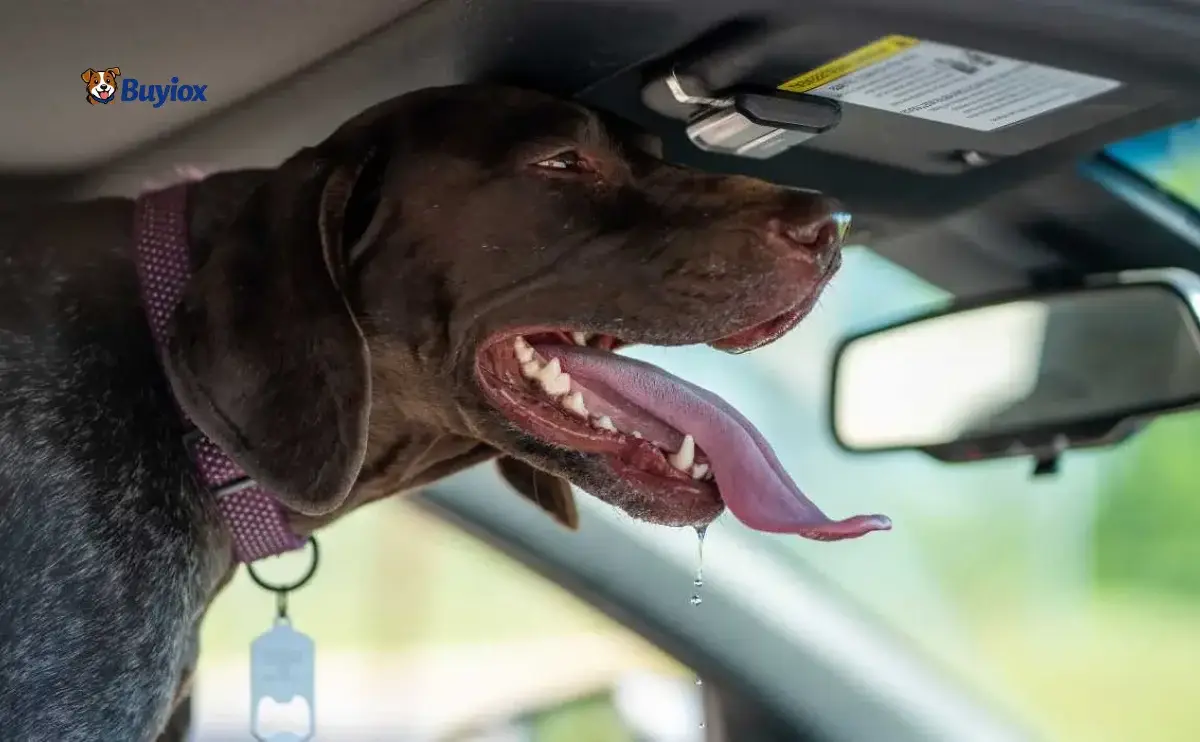
If your dog pants in the car, it can look scary. Some dogs pant a little and seem fine. Some dogs pant a lot, drool, shake, or look worried. You might think, “Is my dog too hot?” or “Is something wrong?”
Most of the time, panting in the car has a simple reason. And when you fix that reason, your dog often rides calmer.
Dogs usually pant in the car because of heat, stress/excitement, or motion sickness. Check for safety first (temperature and airflow), then use a calm setup, short practice rides, and simple comfort steps.
First: When panting is normal vs when it’s a warning
Normal panting (usually okay)
Panting can be normal if your dog is happy and excited, especially when you say “car ride!” Some dogs pant because they are pumped for the park.
Warning panting (pay attention)
Panting can be a warning if you also see things like:
- drooling more than normal
- shaking or trembling
- whining, pacing, trying to climb to the front
- vomiting or gagging
- very wide eyes or “panic face.”
If your dog looks distressed, it’s time to stop and calm the situation.
Reason #1: Your dog is too warm in the car
Cars can heat up quickly, even on mild days. Dogs don’t sweat like humans. Panting is one of the main ways dogs cool down.
Even if you have AC, the back seat can get less airflow, especially in bigger cars and SUVs.
Quick fixes for heat panting
Make the back seat cooler and more comfortable:
- Turn AC vents toward the back seat if possible, so your dog gets airflow.
- Offer water on longer rides, because panting can make dogs thirsty.
- Avoid heavy exercise right before a long car ride, because your dog may already be hot.
Reason #2: Stress or anxiety (the most common cause)
Some dogs pant because the car feels unpredictable. The sound, the vibration, and the movement can make them nervous. If your dog has had a bad experience (like nausea or a vet visit), panting can start even before the car moves.
Signs of anxiety
- Panting starts as soon as your dog gets in the car
- Your dog paces, whines, or tries to climb forward
- Your dog can’t settle down and keeps scanning outside
Simple anxiety fixes that work
- Give your dog a stable spot so they don’t slip around.
- Reduce what they can react to outside.
- Reward calm moments early, before panic grows.
A stable back-seat setup often helps because slipping makes dogs feel unsafe.
This blog post is also helpful for you, How to Secure a Dog in the Car With a Leash (Safe, Simple Setup)
Reason #3: Motion sickness (yes, dogs get it too)
Some dogs pant because they feel nauseous. Motion sickness isn’t just vomiting. Many dogs show early signs first.
Signs of motion sickness
- heavy panting + drooling
- licking lips a lot
- whining, restlessness
- vomiting on longer rides
If your dog pants and drools together, motion sickness is a strong possibility.
What helps motion sickness
- Start with short rides (2~5 minutes) and build up slowly.
- Keep the car cool and well-ventilated, because heat can make nausea worse.
- Avoid eating a big meal right before travel.
- Ask your vet if your dog needs help for longer trips, especially if vomiting happens.
Reason #4: Over-excitement (happy panting)
Some dogs pant because the car means “fun time.” They may be barking, bouncing, and panting like they just ran a race.
Fix for excitement panting
Teach a calm routine:
- Ask for a seat before you open the door
- Reward calm entry
- Give a “calm job” like lying down or chewing
Short practice rides help because your dog learns the car isn’t always “wild excitement.”
I’m sure your dog is panting in the home too, so please, this quick guide will help you a lot
The best “calm ride setup” (helps panting for most dogs)
A calm setup reduces slipping, roaming, and panic movement.
Step 1: Keep your dog in the back seat area
A harness + seat belt tether keeps your dog from jumping forward and reduces pacing.
This matters because roaming often increases stress, and stress increases panting.
Step 2: Make the seat stable
If your dog slips on seats, they may panic a little every time the car turns. A hammock or stable seat cover can help them feel secure.
Step 3: Pack one simple comfort item
A portable water bottle for dogs is a small upgrade that helps on warm days and longer rides.
Quick “checklist” before every ride (30 seconds)
Check 3 things:
- Is the car cool enough, and does the back seat get airflow?
- Is your dog secured and stable (no slipping or roaming)?
- Do you have water for longer rides?
This quick check prevents most “panting problems” before they start.
Common mistakes (that make panting worse)
Mistake 1: Turning car rides into “big eeventss”
If every ride is loud excitement, your dog learns to get worked up. Calm routines help.
Mistake 2: Letting your dog slip around
Slipping makes dogs tense. Tension leads to stress panting.
Mistake 3: No water on longer trips
Panting makes dogs thirsty. Hydration helps comfort.
Mistake 4: Feeding a big meal right before a ride
Full stomach + car movement can worsen nausea for some dogs.
-
Why does my dog pant as soon as they get in the car?
Many dogs pant right away because of excitement or anxiety. If panting starts before the car moves, stress is often a bigger cause than heat.
-
Is panting in the car a sign of motion sickness?
It can be. Motion sickness signs often include panting,th drooling, lip licking, restlessness, or vomiting. Short practice rides and a cool car can help.
-
How do I calm my dog down in the car?
Use a stable back-seat setup, keep your dog secured with a harness tether, and reward small, calm moments early. Start with short rides so your dog learns the car is safe.
-
How can I keep my dog cool in the car?
Make sure airflow reaches the back seat, avoid hot travel times, and offer water on longer rides. A portable dog water bottle is an easy travel upgrade.
-
When should I worry about my dog panting in the car?
Worry if panting is extreme or comes with shaking, heavy drooling, vomiting, collapse, or signs of distress. Stop the ride, cool the dog down, and contact a vet if needed